

TSMC Eyes Entry Into 3D DRAM Memory Market to Support Nvidia
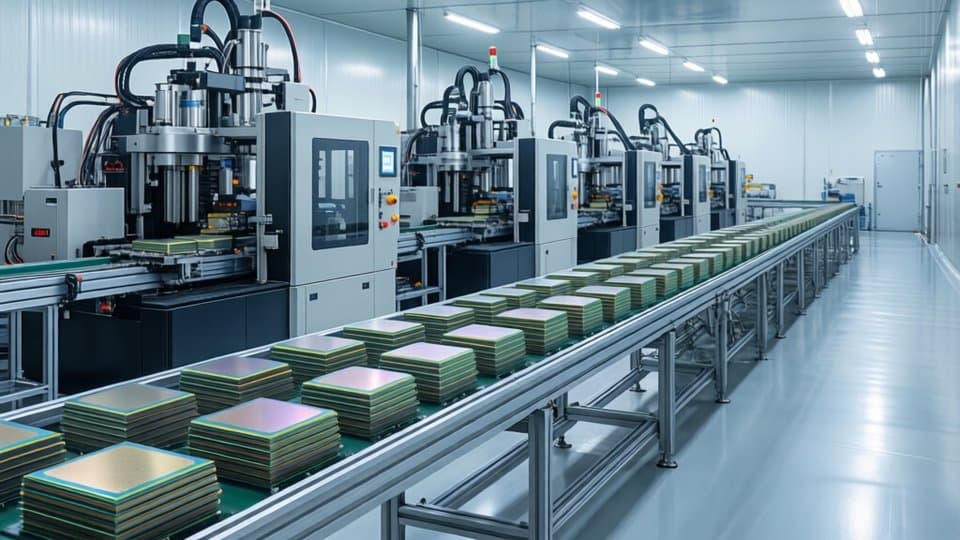
Taiwan Semiconductor Manufacturing Company, known as TSMC, is reportedly drafting internal plans to manufacture advanced 3D DRAM memory chips. This potential move, which follows a request from its largest customer Nvidia, could fundamentally reshape the global semiconductor supply chain by introducing a new major competitor in the high-stakes memory market.
- The Information reported on November 6, 2026, that the company is exploring 3D DRAM production.
- The Economic Times reported that TSMC shares rose more than 6% following these reports.
- Cryptobriefing noted that shares of Micron and SK Hynix declined as investors reacted to the news.
What is 3D DRAM and why does it matter?
3D DRAM is a next-generation memory technology that stacks memory cells vertically rather than laying them out in a single horizontal layer. This architecture allows manufacturers to pack much higher capacity into a smaller physical footprint while increasing bandwidth and power efficiency. Such advancements are critical for the current artificial intelligence boom.
High-bandwidth memory, or HBM, currently serves as a major bottleneck for the semiconductor industry because AI data centers consume it so rapidly. Cryptobriefing explains that memory now sits alongside logic chips and advanced packaging as a primary chokepoint for the entire industry. If the Taiwanese company successfully produces these chips, it could help stabilize global pricing and relieve the supply constraints currently limiting how fast AI hardware can be shipped.
Why is the company considering this shift?
The primary driver behind this potential pivot is demand from Nvidia. While the company has traditionally acted as a logic foundry—manufacturing processors designed by others—the specific needs of its biggest client are pushing it toward a more integrated manufacturing model. By offering more of the AI hardware stack from within its own facilities, the firm could provide a more seamless solution for AI chip buyers.
The company has several ways to execute this plan. According to The Information, the firm could build entirely new factories dedicated to memory production. Alternatively, it might choose to acquire an existing semiconductor facility and convert it for this new purpose. This strategy would allow the manufacturer to expand its footprint without starting from zero.
Who is leading this new internal effort?
The reported push into memory is being managed by Hsu Kuo-chin. He is a vice president at the company who currently oversees advanced packaging operations. His background is relevant to this shift, as The Economic Times notes that he previously managed the regional business for Micron.
This leadership connection highlights how the lines between logic and memory manufacturing are blurring. While the company has not officially announced a formal entry into the RAM business, the presence of an executive with deep memory-sector experience suggests the internal planning is serious. This move would represent a departure from the company's long-standing reputation as a pure-play foundry.
How will this affect existing memory giants?
If the company moves forward, it will enter a market currently dominated by a few massive players. The move would put the Taiwanese firm in direct competition with Samsung Electronics, SK Hynix, and Micron Technology. These companies currently benefit from a global supply shortage that has sent prices soaring.
The impact on the market is already visible. Cryptobriefing reported that memory stocks like Micron and SK Hynix saw declines immediately after the news surfaced. Investors are worried that a new high-volume supplier could ease the current supply crunch and potentially lower the profit margins that these specialists have enjoyed during the AI surge.
Is there a relationship between these companies?
Despite the potential for competition, the industry often relies on collaboration. For example, in April 2024, SK Hynix and the Taiwanese firm signed a memorandum of understanding to work together on HBM4 development. Under this arrangement, SK Hynix plans to use advanced logic processes to manufacture the base die for its memory chips.
The relationship is complex. While the company might compete with these firms in the 3D DRAM space, it also acts as a vital partner in the production of their high-end products. This creates a landscape where companies are simultaneously rivals and essential partners in the complex AI hardware supply chain.
What are the risks of this move?
The memory market is notoriously difficult to navigate because it is subject to intense cycles of shortage and oversupply. This volatility can cause massive swings in manufacturer margins. Moving from research and patents into large-scale, profitable production is a transition that could take several years to complete.
The company must also balance its identity. It has built its entire global reputation on being a foundry that does not compete with its customers. Entering the memory market could change the perception of its business model, even if the move is requested by its most important client to solve a supply bottleneck.
What happens next?
The industry is currently waiting for several key signals. There is no confirmed timeline or specific investment figure for this project, but observers are looking for official confirmation from the company. Any announcement regarding a partnership with an existing memory specialist would also serve as a major indicator of the company's direction. Finally, any public comments from Nvidia regarding its long-term memory sourcing strategy will be closely watched by investors.
Frequently Asked Questions
What is the difference between standard DRAM and 3D DRAM?
Standard DRAM uses a flat, single-layer layout, while 3D DRAM stacks memory cells vertically. This vertical stacking allows for much higher capacity and better efficiency in a smaller space.
Why does Nvidia want this technology?
Nvidia needs high-performance memory to prevent bottlenecks in AI processing. 3D DRAM provides the high bandwidth and capacity required to keep advanced AI chips running at full speed.
Will this make memory chips cheaper?
If a massive new supplier enters the market, it could increase the total supply of memory. Increased supply generally helps to stabilize and potentially lower the high prices currently seen in the industry.
Sources
- 1.thenextweb.comTSMC is weighing a move into AI memory chips at Nvidia’s request
- 2.theverge.comTSMC is apparently considering getting into the RAM business at the request of Nvidia.
- 3.cryptobriefing.comTSMC weighs a move into advanced memory chips, The Information reports
- 4.economictimes.indiatimes.comTSM stock rallies as Nvidia reportedly turns to TSMC for advanced memory chips - can it challenge Samsung, Micron and SK Hynix?