Japanese Prime Minister faces diplomatic isolation at APEC summit
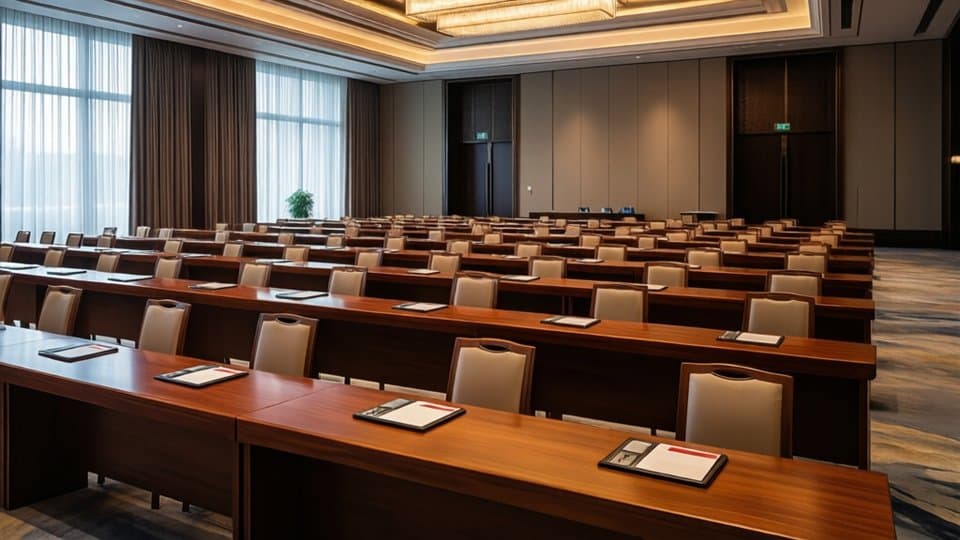
Japanese Prime Minister Sanae Takaichi faced intense scrutiny regarding her diplomatic standing after the APEC summit in Shenzhen, China, on November 18-19, 2026. Observers noted her exclusion from major three-way talks between the United States, China, and Russia, leading to concerns that Japan is being sidelined as global powers reshape international orders.
- Chosun Biz reported that Takaichi was seated seven seats away from Chinese President Xi Jinping during the summit.
- According to The Guardian, Takaichi was met at the airport by a former ambassador rather than a high-ranking serving official.
- Modern Ghana noted that China has already applied economic pressure on Japan through seafood bans and rare earth mineral restrictions.
Did Japan receive different treatment in China?
The hospitality shown to Takaichi at Shenzhen Bao’an International Airport differed sharply from the reception given to other world leaders. While other presidents received military bands and cheering crowds, the Japanese Prime Minister received a modest guard of honour. This protocol gap suggested a cooling of relations between Tokyo and Beijing.
The Chosun Biz reported that Chinese President Xi Jinping personally greeted U.S. President Donald Trump with a military band. Similarly, high-ranking officials met Russian President Vladimir Putin and South Korean President Lee Jae-myung. In contrast, Takaichi was met by Zhang Qiyue, a former ambassador to Greece, which The Guardian described as a position below those who greeted other leaders.
This treatment reflects a diplomatic crisis that began after Takaichi suggested Japan might intervene in a Taiwan conflict. China’s foreign ministry previously condemned such remarks as "wrongful and dangerous." The tension has moved beyond words into economic territory, including the departure of giant pandas from Tokyo in January 2026.
Was Takaichi physically sidelined during the summit?
Visual evidence from the summit suggests Takaichi struggled to engage with the primary group of world leaders. She was frequently seen on the edges of gatherings rather than at the center of discussions. This physical distance mirrored her political distance from the major negotiating blocs.
During the group photo on November 19, Takaichi stood at the end of the back row. This stood in stark contrast to the front row where Xi, Trump, and Putin shook hands. Chosun Biz also highlighted a video of Takaichi sitting alone on a separate sofa during a break. Ogata Toshihiko, editor-in-chief of Arc Times, observed that she appeared left out of interactions with other leaders.
Takaichi has not become a major subject of interest among the White House press corps on the scene, and the reality is that she is isolated on the fringes of the world.
The seating arrangements at the meeting table further emphasized this gap. Takaichi sat seven seats away from Xi Jinping. While other leaders engaged in bilateral or multilateral talks, Takaichi was unable to secure a face-to-face meeting with Donald Trump, eventually settling for a 20-minute phone call.
How does each side view the Taiwan issue?
The diplomatic friction stems from fundamentally different interpretations of security and sovereignty in the Taiwan Strait. Japan views a Chinese blockade or attack as a direct threat to its own survival, while China views the region as an internal matter.
Takaichi has maintained an unequivocal position on Taiwan. She suggested that a Chinese blockade could be considered an attack on Japan. This is due to the proximity of Yonaguni Island, which lies only 100km to 110km from Taiwan. Japan seeks to protect its maritime interests and seafood trade routes in the strait.
Beijing, however, asserts that Taiwan is a Chinese province. China has not ruled out using force for what it calls "reunification." The Modern Ghana report notes that China has used economic instruments, such as restricting rare earth minerals, to pressure Tokyo into reconsidering its stance.
What was the significance of the meeting with Putin?
While China maintained its distance, Takaichi did engage in a direct dialogue with Vladimir Putin. This meeting provided a contrast to her experience with the Chinese leadership and offered a different diplomatic avenue for Japan.
Reports indicate the discussion with Putin lasted approximately 30 minutes. According to note.com, the talks covered the detention of Japanese journalists and issues involving Japan Tobacco International’s business in Russia. This contact suggests that while Japan may be isolated from the China-centric sphere, it still maintains channels with other major powers.
The meeting may serve multiple purposes. It shows Russia is willing to engage with a U.S. ally. It also signals to China that Moscow has alternative diplomatic options. However, Russia remains a strategic partner to China, and Putin is unlikely to sacrifice that relationship for Tokyo’s concerns.
How is Japan responding to this isolation?
Japanese officials and media are expressing concern that a pattern is forming where major powers negotiate without Japan. The recent unprecedented three-way summit between the U.S., China, and Russia, which produced a joint declaration, has heightened these fears.
A Japanese Foreign Ministry official told Mainichi Shimbun that if U.S.-China-Russia dialogue becomes routine, it could be a nightmare for Japan. The joint declaration by the three powers even criticized international judicial bodies like the ICC, an organization to which Japan is a major contributor.
To counter this, Takaichi is pursuing several strategic paths. These include strengthening the Quad alliance and increasing defense spending to 2% of GDP. Modern Ghana suggests she is trying to remain soft externally while building strength internally. She must hedge her position to avoid being caught in the middle of negotiations between the U.S., China, and Russia.
What happens next?
The diplomatic fallout from the Shenzhen summit will likely continue as Japan attempts to manage its relationships with both the West and its neighbors. No immediate votes or specific summit dates have been announced, but the following factors will shape the coming months:
- The effectiveness of Japan's increased defense spending in deterring regional aggression.
- Ongoing economic negotiations regarding China's restrictions on rare earth minerals and seafood.
- The results of the 20-minute phone call between Takaichi and Trump regarding the recent three-way declaration.
FAQ
Why is Japan concerned about Taiwan?
Japan's westernmost island, Yonaguni, is only 100km from Taiwan. A conflict there would directly threaten Japanese security and vital maritime trade routes.
What did Takaichi say about Taiwan?
She stated that a Chinese attack on Taiwan could trigger the deployment of Japan's self-defence forces if the conflict posed an existential threat to the country.
How did China respond to Japan's stance?
China condemned her remarks as dangerous and implemented economic measures, including restrictions on rare earth minerals and Japanese seafood imports.
SEO Meta Description: Discover why Japanese PM Sanae Takaichi faced diplomatic isolation at the APEC summit in China and how it impacts Japan-China relations and Taiwan security.
URL Slug: japan-takaichi-apec-summit-isolation-china-taiwan