Bangladesh Universities Crack Down on Academics Linked to Former Regime
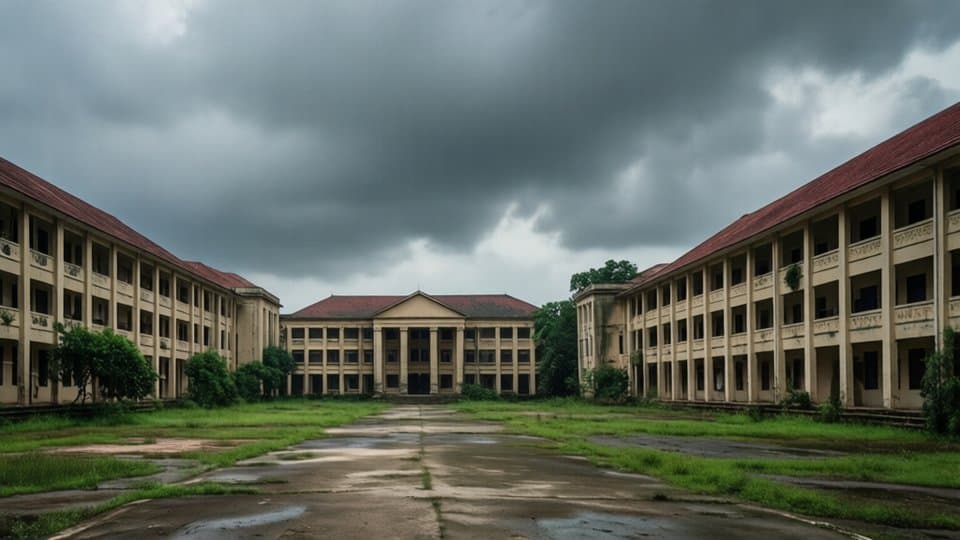
Authorities at public universities across Bangladesh are implementing disciplinary actions against scores of academics and students for their alleged affiliation with former leader Sheikh Hasina and the Awami League. These sanctions, which include dismissals and suspensions, follow the 2024 student-led protests that toppled the previous government.
- Human Rights Watch reported in November 2026 that over 20 public universities are affected.
- At least 404 academics at 22 universities are under investigation for participating in a pro-Awami League Telegram group, according to Mirage News.
- The Bangladesh Nationalist Party returned to power following an election in February 2026, according to Human Rights Watch.
What are the specific punishments being handed out?
Universities are using various administrative tools to penalize those suspected of supporting the ousted Awami League. These measures target both faculty members and the student body to restrict their academic and professional lives.
Sanctions include formal dismissals, temporary suspensions, and strict restrictions on teaching assignments. In some cases, universities have canceled exam certificates or barred students from entering campus entirely. Human Rights Watch found that these actions often occur without transparent or credible disciplinary investigations.
The impact on students is widespread. In March 2025, Dhaka University suspended 126 students and withheld their exam certificates. Another 277 students face police cases, though many stay away from campus due to fear of arrest, according to Mirage News.
Which universities are most affected by these actions?
The crackdown is not isolated to a single institution but spans dozens of higher education centers. Large, prestigious institutions have seen significant faculty disruptions since the political transition began in late 2024.
At Dhaka University, authorities ordered 44 academics to stop their work and restricted the teaching duties of 25 others starting in September 2024. Six teachers were later formally suspended following an inquiry. At Bangladesh Agricultural University in Mymensingh, officials dismissed or removed 12 academics and demoted 34 others, according to Human Rights Watch.
Sher-e-Bangla Agricultural University in Dhaka has also seen 12 teachers suspended and 10 removed from academic duties. An additional 85 teachers at that institution were denied promotions. These actions reportedly bypassed legally established disciplinary processes, according to reports from Mirage News.
How does each side describe the situation?
The motivations behind these disciplinary actions are heavily contested. University administrations frame the moves as necessary responses to past political violence, while affected academics describe them as targeted persecution.
University authorities often base their decisions on allegations of complicity in violence or "subversive" activities. For instance, a commission at Bangladesh Agricultural University labeled a pro-Awami League march on August 4, 2024, as a "terrorist" procession.
"What is happening now is that the university authorities are targeting with false allegations the group of teachers who are aligned to the Awami League and did not support the 2024 student movement," said a professor at a public university.
The professor, who remains unidentified for security reasons, added: "We are not allowed to go take classes, we cannot do research work, we cannot do anything," according to Human Rights Watch.
Are the allegations against professors verifiable?
Evidence used to justify suspensions is often questioned by human rights observers. In several instances, the visual or recorded evidence cited by universities does not appear to match the specific charges leveled against the individuals.
Professor Mashiur Rahman of Dhaka University faces a permanent suspension recommendation. He was accused of calling the July 2024 protests "illegal" during a television discussion, but a video reviewed by Human Rights Watch showed no such comment. He also faces claims of inciting genocide during a meeting on August 3, 2024, a charge he denies.
At Bangladesh Agricultural University, Professor Purba Islam was suspended for "sloganizing" during a march. However, video analysis showed no evidence of her shouting slogans. Similarly, Professor Yahia Khandoker was suspended for allegedly supporting "mass killing," though he maintains he was with his family in Dhaka during the protests, according to Mirage News.
What is the political context in Bangladesh?
The current academic environment is a direct result of the massive political shift that occurred in 2024. The country has moved from the long-standing rule of Sheikh Hasina to a new political era.
The transition began with student-led protests in July and August 2024, which resulted in hundreds of deaths during police crackdowns. These events forced Sheikh Hasina to flee the country. In May 2025, an interim government criminalized the activities of the Awami League. This paved the way for the Bangladesh Nationalist Party to win the February 2026 election, according to Human Rights Watch.
Historically, universities in the country have been partisan spaces. For years, administrations have employed and promoted academics close to the ruling party while acting against those supporting the opposition. Current observers warn that the new administration may be repeating these old patterns of repression.
What happens next?
The legal and administrative battles for many academics are ongoing. Several individuals are currently using the court system to challenge their removals and suspensions.
Professor Mashiur Rahman is currently appealing the recommendation for his permanent suspension. At Bangladesh Agricultural University, the High Court has already stayed the suspension of Professor Yahia Khandoker. As investigations into the 404 academics in the Telegram group continue, more disciplinary actions are expected across the 22 universities currently under scrutiny.
Frequently Asked Questions
Why are academics in Bangladesh being punished?
They are being targeted for alleged ties to the former Awami League government or for supporting its members during the 2024 protests.
Which universities are involved in these investigations?
Over 20 public universities are affected, including Dhaka University and Bangladesh Agricultural University.
What kind of punishments are professors facing?
Punishments include being barred from teaching, being suspended, being dismissed from their positions, or being denied promotions.