Thousands Still Missing as Nepal Faces Massive Glacier Flood Recovery
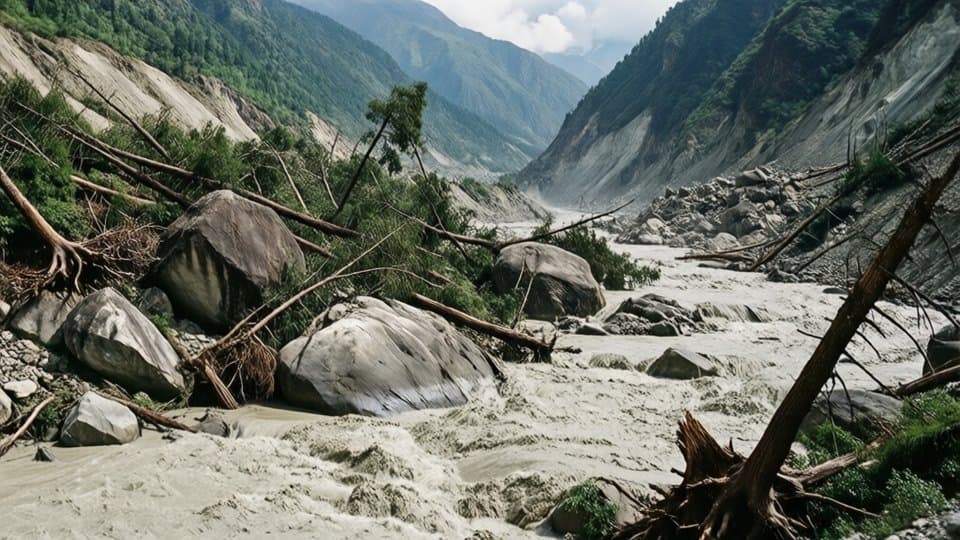
Families around the world are still searching for answers 10 weeks after a catastrophic glacier collapse on 26 August destroyed Himalayan valleys in Nepal. The disaster, which sent a wall of water and mud through 150 kilometres of territory, has left thousands of people unaccounted for and entire communities facing uncertain futures.
- The Guardian reported that 1,459 people have died in the floods.
- According to the United Nations, more than 5,000 people remain missing.
- The Guardian stated that 700 of the missing are foreigners, including 34 Australians.
How many people are still missing?
The scale of the disappearance remains immense as search operations shift focus. While the death toll has reached 1,459, a massive group of people has not been located. The United Nations reported that nearly 5,000 people are still missing following the event.
Among the unaccounted for are many international travelers. The Guardian noted that 700 of the missing individuals are foreigners. This includes 34 Australians whose families are desperately seeking information. Many of these individuals were part of tour groups or on religious pilgrimages when the water hit.
What is the status of the search for bodies?
The official search for survivors has ended, moving instead into a phase of recovery. Last month, Nepal officially ended the active search-and-rescue operation. Phanindra Paudel, the chief of the National Emergency Operation Centre, stated that the country has moved into the "search-and-rehabilitation phase."
This change means authorities will no longer actively hunt for people. Instead, they will recover any remains, property, or valuables that appear during the rebuilding process. For families of the missing, this transition has been a significant blow to their hopes of finding answers. They are now left waiting for remains to be found by chance during debris clearance.
Why is the DNA identification process so slow?
The government is using DNA testing to match remains with families, but a massive backlog exists. While more than 2,000 people have provided DNA samples, the results are not being processed quickly enough to provide closure. At the start of October, only 112 bodies had been successfully transferred back to families, according to the Guardian.
This slow pace leaves families in a state of permanent limbo. Linda Govender, who founded Global Voices for the Missing, says the uncertainty is unbearable. She described the daily struggle of checking phones and waiting for news that never arrives. Families are calling for the Nepali government to maintain regular communication and ensure every reasonable avenue is explored.
How much will it cost to rebuild Nepal?
The financial burden of the disaster is staggering for the mountainous nation. The United Nations reported that the World Bank estimates the damage at $2.7 billion. However, the total cost for full recovery is expected to reach $4.7 billion.
Nepal is struggling to find the necessary funds. Authorities noted that the $21.5 million expected from the loss and damage fund is far too small for such a massive undertaking. This financial gap comes at a time when the tourism industry, which contributes 6.7% to the country's GDP, has seen a sharp decline. Sagar Pandey, chief executive of the Himalayan Glacier Company, reported losing almost 80% of his usual bookings.
Is the resettlement of survivors safe?
Many survivors face a cycle of being moved from one disaster zone to another. In the Rasuwa district, the village of Khalte was completely wiped out. Residents in Khalte had already been displaced once before following the 2015 earthquake. Many of them had moved to Khalte because they were part of an informal resettlement attempt.
According to Eco-Business, a 2018 assessment had already flagged Khalte as a high-risk area. Despite these warnings, people lived there because they had no other options. Now, they must find new homes again. This recurring pattern of moving people into unsafe areas only to have them displaced by the next disaster has caused deep frustration among locals.
How each side tells it
The government and the affected families view the current situation through very different lenses. The government is focusing on the practicalities of long-term recovery and the reality of limited resources. They have shifted from rescue to rehabilitation, acknowledging that the immediate window for finding living survivors has closed.
Families, however, feel the disaster is ongoing. They argue that the search should not be abandoned just because the official phase has changed. They want the government to be more proactive in searching for the deceased and more transparent about the progress of DNA testing and identification efforts.
"The uncertainty is unbearable. You wake up every morning hoping for news, checking your phone, reading messages and wondering whether today will finally be the day somebody has an answer."
Linda Govender, founder of Global Voices for the Missing
What happens next?
The recovery process will take years. Nepal has called for increased international support to manage the $4.7 billion rebuilding cost. On the global stage, Nepal and Bhutan intend to push for the needs of mountainous nations to be a priority on the agenda for the COP31 climate conference in Türkiye.
Locally, the focus remains on clearing debris and managing the massive backlog in DNA identification. Families continue to advocate for better communication from the government as they wait for the possibility of receiving remains or death certificates.
Frequently Asked Questions
How many people died in the Nepal floods?
The death toll has risen to 1,459 people, according to the Guardian.
Are there many foreigners missing?
Yes, more than 700 foreigners are currently unaccounted for, including 34 Australians.
What is the total cost of the recovery?
The recovery is estimated to cost approximately $4.7 billion, according to the United Nations.
SEO Meta Description: 10 weeks after catastrophic floods in Nepal, thousands remain missing. Learn about the search for remains, the $4.7bn recovery cost, and the families waiting.
URL Slug: nepal-floods-missing-families-recovery-update
Sources
- 1.theguardian.comThey have gone 10 weeks without answers. Will these families ever know what happened to loved ones missing after Nepal’s floods?
- 2.news.un.orgWorld News in Brief: Korea tensions mount, UN demands answers over staff death in Yemen, Guterres in Spain, Nepal alert ahead of COP31
- 3.eco-business.comAnalysis: How many times will Nepal resettle its disaster-affected?