
Timor-Leste Navigates Economic Shifts and Diplomatic Tensions in First ASEAN Year
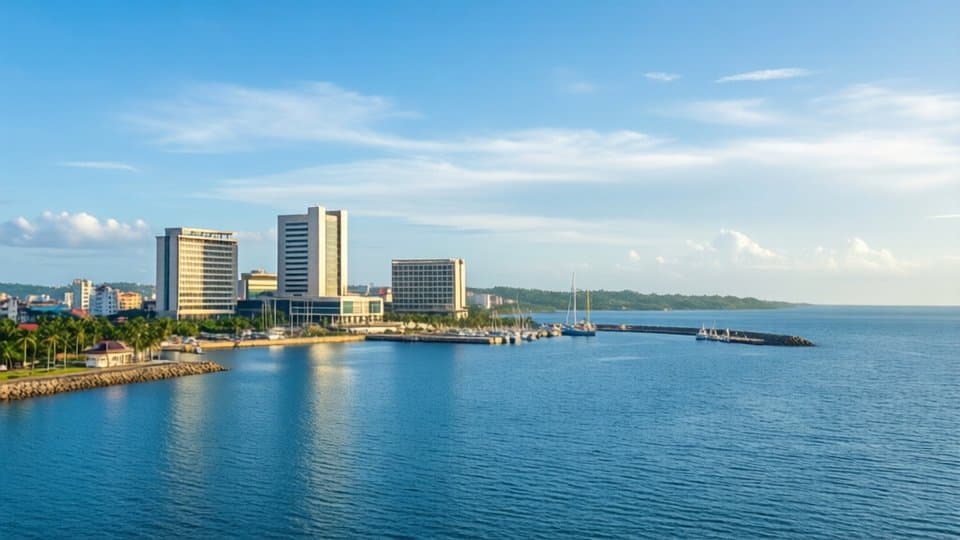
Timor-Leste completed its first full year as the 11th member of the Association of Southeast Asian Nations (ASEAN) in 2026, transitioning from a long-term applicant to an active participant in regional diplomacy. The small nation is currently attempting to balance rapid institutional integration with deep-seated domestic economic challenges and a high-profile legal dispute with Myanmar. This period marks a critical test of whether the country can leverage regional markets to diversify an economy heavily reliant on dwindling petroleum resources.
- Timor-Leste was formally admitted as the 11th ASEAN member during the 47th ASEAN Summit in October 2025, according to the Lowy Institute.
- The country's economy relies on a $18.95 billion Petroleum Fund for the vast majority of its state budget, as reported by East Asia Forum.
- In February 2026, Timor-Leste became the first ASEAN member to initiate legal proceedings against another member state regarding war crimes, according to the Lowy Institute.
How has Timor-Leste integrated into the regional bloc?
Integration has moved with surprising speed through both legal and diplomatic channels. Following its formal admission, the National Parliament approved measures in June 2026 to incorporate the country into the ASEAN Charter and the agreement on the movement of natural persons, according to the Lowy Institute.
The nation has also established a permanent diplomatic presence in Jakarta. Ambassador Elisa Maria da Silva began her role as the Permanent Representative to ASEAN in 2026 to ensure continuous participation in regional decision-making. This institutional footing allows the country to engage in technical discussions, such as the March 2026 preparatory meetings for the ASEAN Economic Ministers' Retreat.
Financial integration is also underway. At the May 2026 ASEAN+3 Finance Ministers' meeting, participants formally welcomed the new member and supported efforts to increase its familiarity with regional financial cooperation, according to the Lowy Institute. The country is now a beneficiary of the ASEAN Initiative for ASEAN Integration Work Plan for the 2026–2030 period.
What are the economic stakes for the nation?
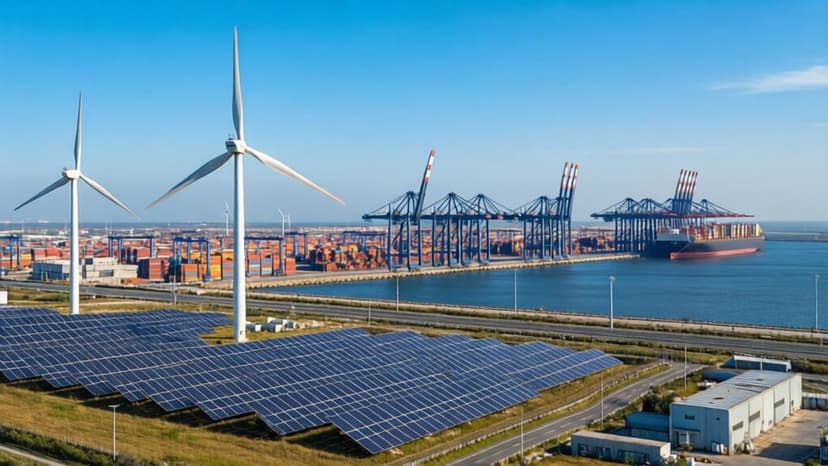
Membership offers access to a massive market of 680 million people and a $3.8 trillion economy, according to Durango Herald. For a nation where 42% of the population lives below the poverty line, these connections are vital for survival. Prime Minister Xanana Gusmão views this as a way to connect to regional supply chains and attract new investment.
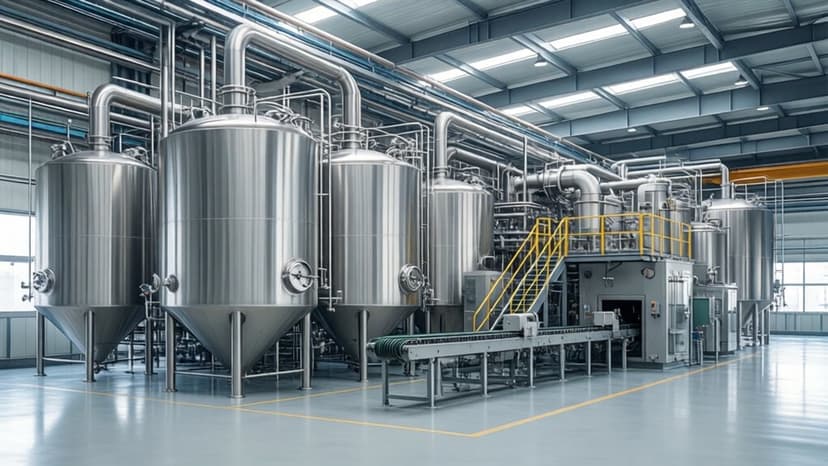
However, the domestic economic landscape remains fragile. The shutdown of the Bayu-Undan gas field in June 2025 forced the government to depend almost entirely on investment income from its Petroleum Fund. East Asia Forum reported that approximately 73% of the 2025 state budget was projected to be funded by this single source.
Diversification is the primary goal for 2026. The government is looking toward sectors like tourism, which could tap into a regional market of 48.5 million visitors, and the digital economy. Recent improvements in satellite connectivity and plans for a submarine fibre-optic cable are intended to modernize the country's infrastructure. Success depends on whether the leadership can protect local industries while opening up to regional competition.
Why is there a conflict with Myanmar?
The relationship between Dili and the Myanmar military has created a significant rift within ASEAN. In January 2026, the Chin Human Rights Organization filed a complaint in Timor-Leste against Myanmar's military leadership. This led Timor-Leste to appoint a prosecutor in February 2026 to examine allegations of war crimes under universal jurisdiction.
This move challenged the traditional ASEAN principle of non-interference. The Myanmar junta responded by expelling the Timorese chargé d’affaires and accusing Timor-Leste of breaching regional norms, according to the Lowy Institute.
How each side tells it:
"We hope that the court or the Public Prosecutor’s Office will archive the case." Xanana Gusmão, Prime Minister of Timor-Leste
The Myanmar military leadership has framed the legal actions as an interference in its internal affairs. Conversely, human rights advocates argue that Timor-Leste is providing a necessary moral voice in a bloc that has often been criticized for its "feeble and ineffectual" response to the crisis in Myanmar, according to Human Rights Watch.
Who are the key leaders involved?
The current administration is led by two figures from the country's struggle for independence. President José Ramos-Horta, a 1996 Nobel Peace Prize winner, focuses on regional dialogue and conflict prevention. Prime Minister Xanana Gusmão manages the economic and political integration efforts.
These leaders must also manage domestic pressure. In September 2025, student protests in Dili forced the Parliament to cancel a plan to purchase new cars for members and to abolish lifetime pensions for public officials, as reported by East Asia Forum. These events highlight a growing demand for transparency and better spending of national resources.
What is the history of Timor-Leste's independence?
Timor-Leste was a Portuguese colony for over four centuries before declaring independence in 1975. This independence was short-lived as Indonesia invaded nine days later, beginning a 24-year occupation that resulted in tens of thousands of deaths from conflict and disease.
A United Nations-supervised referendum held in 1999 eventually paved the way for the country to regain its independence, which was formally restored in 2002. Since then, the nation has transitioned from a war-torn territory to a developing state now seeking a permanent role in the Southeast Asian community.
What happens next?
The most significant upcoming milestone is the 2029 ASEAN Chairmanship. Timor-Leste has already established the ASEAN Chair National Organisation Committee to begin preparations for this leadership role. This will be the first time the newest member is tasked with leading the entire bloc.
In the short term, the government must continue its structural reforms to move away from oil dependence. The negotiation of the Greater Sunrise oil and gas project remains a top priority for the administration. Additionally, the 2026 budget cycle will test whether the government can successfully invest in agriculture, education, and health to support its growing youth population.
Frequently Asked Questions
When did Timor-Leste join ASEAN?
Timor-Leste was formally admitted as a full member of ASEAN in October 2025 during the 47th ASEAN Summit.
Why is Timor-Leste's economy considered fragile?
The economy is heavily dependent on the Petroleum Fund, which provided approximately 73% of the state budget in 2025.
What is the main tension between Timor-Leste and Myanmar?
Timor-Leste initiated legal proceedings against Myanmar's military for alleged war crimes, which Myanmar claims violates the ASEAN principle of non-interference.
SEO Meta Description: Timor-Leste marks its first year in ASEAN, balancing rapid regional integration with economic shifts away from oil and a legal dispute with Myanmar.
URL Slug: timor-leste-first-year-asean-integration-challenges