
Xi Jinping Intensifies Anti-Corruption Drive at Fifth Plenum
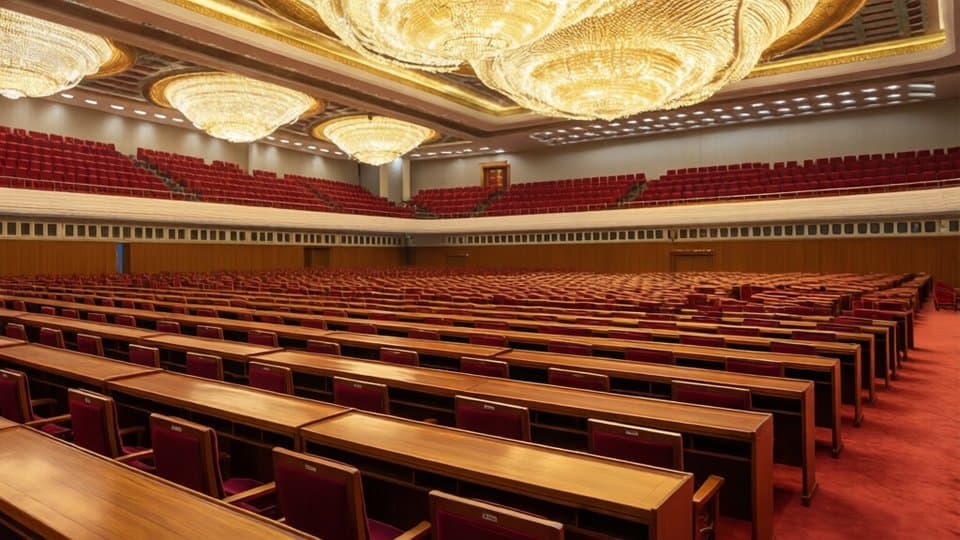
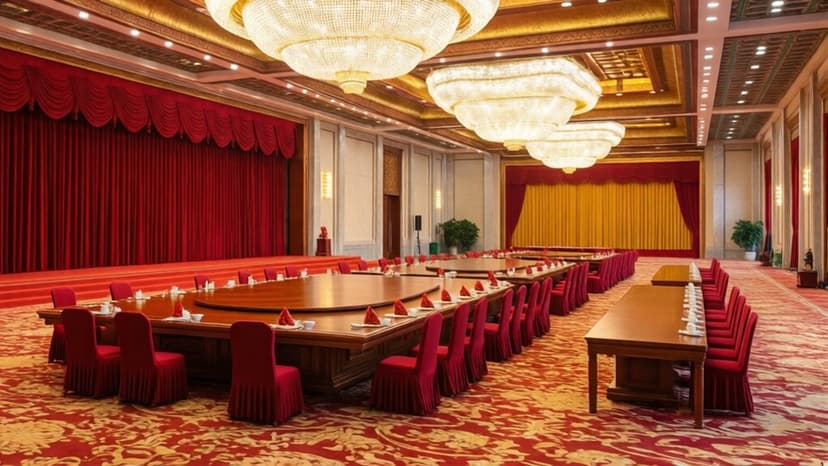
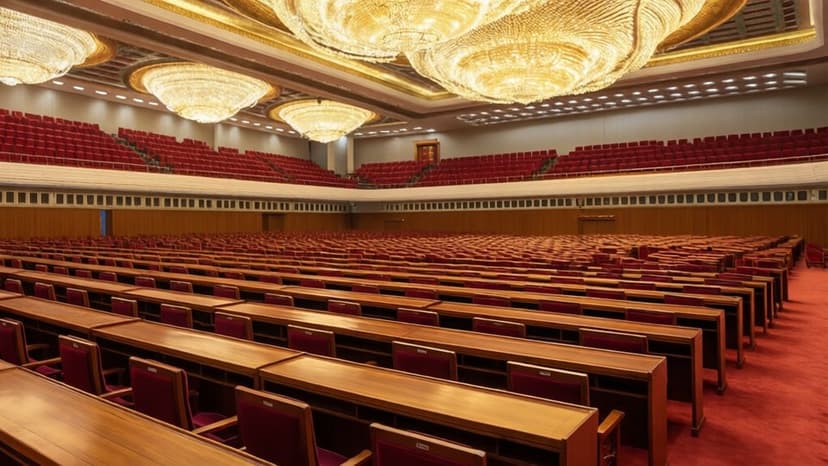
Chinese political leaders began a four-day meeting on Monday to address strengthening Communist Party discipline as President Xi Jinping intensifies his yearslong anti-corruption campaign. The Fifth Plenum of the Central Committee serves as a critical platform for Xi to demand greater loyalty from officials ahead of his expected fourth term in 2027. This gathering focuses on "full and rigorous party self-governance," a term used to signal heightened internal discipline and political reliability.
- The Guardian reported that disciplinary authorities opened investigations into more than 1 million people last year.
- According to NBC News, the plenum is a closed-door gathering of the Central Committee.
- The Epoch Times notes the meeting is scheduled for October 26–29.
Why is the anti-corruption drive continuing?
The crackdown remains a central pillar of Xi Jinping's governance to ensure the survival of the Communist Party. While the campaign targets bribery, it also addresses "spiritual corruption," which involves political disloyalty. Xi views discipline as essential to preventing the party from losing its ruling status.
Some analysts suggest the enduring nature of the drive is a structural necessity. Neil Thomas, a senior fellow at the Asia Society, noted that Xi makes anti-corruption a permanent method of governing. This approach ensures there is no point where the job is declared finished, allowing for continuous oversight of the bureaucracy.
The campaign has expanded beyond traditional bribery to target "formalism" and "bureaucratism." These terms refer to officials who engage in dereliction of duty or inaction that hinders national development. This shift indicates that the leadership is now measuring officials not just on honesty, but on their active compliance with central orders.
Is the crackdown a tool for political power?
Observers often debate whether these investigations target genuine criminals or political rivals. Because investigations almost always lead to convictions, critics question the impartiality of the process. In Xi's worldview, there is little distinction between financial corruption and political unreliability.
If you’re corrupt, you’re not politically loyal. If you’re politically loyal, you’re not corrupt.
Kerry Brown, director of the Lau China Institute at King’s College London, explained that for Xi, corruption and disloyalty are linked. This makes the anti-graft drive an effective mechanism for enforcing unity. By framing purges as disciplinary measures, the leadership can remove those who pose a risk to authority under the guise of cleaning up the party.
Ruby Osman, a senior policy adviser at the Tony Blair Institute for Global Change, suggested the focus is shifting. She stated that the drive is less about purging elite rivals and more about building a system that sustains Xi's priorities across different leadership cycles. This institutionalization of discipline helps maintain policy continuity.
How has the military been affected?
The military leadership has faced significant instability due to recent purges. High-ranking officials have been removed or disappeared, leaving vacancies in the Central Military Commission (CMC). This has raised questions about the stability of the armed forces and Xi's direct control over them.
According to The Guardian, the CMC has been reduced from seven members to just two: Xi and Zhang Shengmin, the head of discipline. This follows the investigation and expulsion of Zhang Youxia, a top general second only to Xi in the military hierarchy.
The scale of the military purge is notable. Neil Thomas and his colleagues at the Asia Society noted that 42 out of 44 military-affiliated officials elected to the Central Committee in 2022 have been purged or have disappeared. This level of turnover suggests a deep restructuring of the military's top command.
How do different sides view these purges?
There is no single consensus on whether these moves strengthen or weaken the state. Some see them as a necessary cleaning of the house, while others see them as a sign of internal regime instability. The interpretation depends on whether one views the purges as a sign of control or a symptom of chaos.
How the government tells it: The official stance, as reflected in the Qiushi journal, is that the fight cannot "retreat by half a step." Xi Jinping warned that no matter how high an official's position, there will be "absolutely no leniency" for corruption. The goal is to eliminate "two-faced people" who profess loyalty but secretly defy orders.
How analysts tell it: Some commentators, such as Tang Jingyuan, suggest the purges might not have restored full control. Tang questioned whether removing leaders like Zhang had actually stabilized the military, noting that no senior commanders have publicly endorsed the investigations. Meanwhile, Chen Pokong argued that despite a decade of campaigning, corrupt officials and "two-faced people" continue to increase in number.
What is the background of these leaders?
Xi Jinping has held the top position in the Communist Party since 2012. His tenure has been defined by a massive centralization of power and a persistent campaign to root out graft. He removed presidential term limits in 2018, paving the way for his potential fourth term.
The current political cycle includes several key milestones:
- 2012: Xi Jinping assumes power and begins the anti-corruption drive.
- 2018: Presidential term limits are removed.
- 2022: The 20th Party Congress establishes the current Central Committee.
- 2024: The Fifth Plenum convenes to discuss party governance.
- 2027: The 21st Party Congress is expected to confirm Xi's fourth term.
What happens next?
The immediate focus remains on the conclusion of the Fifth Plenum. Following this meeting, observers will watch for any new personnel appointments made by Xi. While some analysts believe he may wait until the 2027 Congress to name new leaders, any immediate changes will likely consist of proven loyalists.
The regime has also launched a two-month campaign to control online military content. This effort, announced by the Cyberspace Administration of China, targets "improper marketing" and sensitive military information. This move coincides with the plenum and suggests a heightened effort to manage public perception during this sensitive political window.
Frequently Asked Questions
What is the Fifth Plenum?
It is a major meeting of the Communist Party's Central Committee that occurs every five years to discuss high-level policy and party discipline.
Why is Xi Jinping targeting the military?
The investigations aim to ensure absolute loyalty to the party and eliminate corruption that could undermine the military's effectiveness or political reliability.
When will the next major leadership change occur?
The next major leadership transition is expected at the 21st Party Congress in 2027, where Xi Jinping is anticipated to be re-elected for a fourth term.
SEO Meta Description: China's Fifth Plenum focuses on Xi Jinping's anti-corruption campaign and military purges as the party prepares for his expected fourth term in 2027.
URL Slug: xi-jinping-china-fifth-plenum-corruption-military-purge
Sources
- 1.theguardian.comXi Jinping’s corruption crackdown in the spotlight as China prepares for meeting of top leaders
- 2.nbcnews.comWhat to know about China’s plenum as Xi seeks stronger Communist Party discipline
- 3.theepochtimes.comXi’s Anti-Corruption Warning Fuels Questions Over His Grip on China’s Military
- 4.news.qq.com视频丨习近平出席金砖国家领导人第十八次会晤第一阶段会议并发表 ...