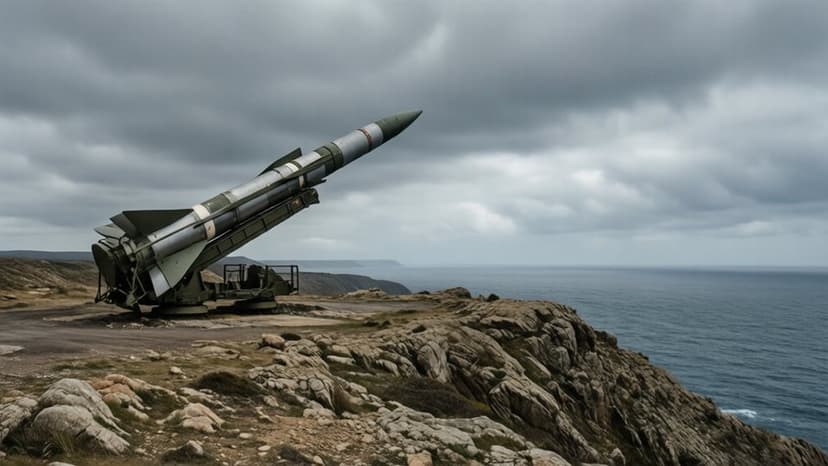
Hypersonica Secures €100 Million to Build Advanced Hypersonic Missiles
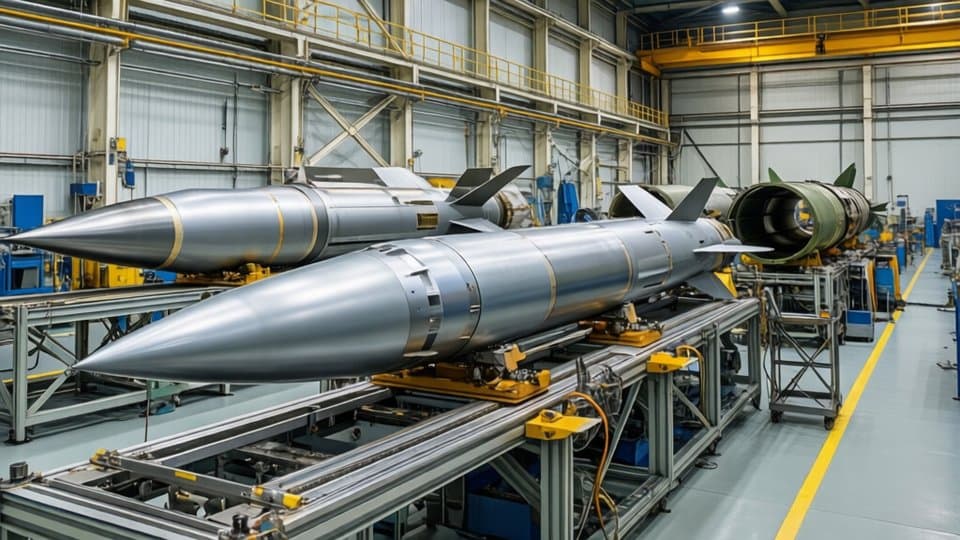
The British-German defense startup Hypersonica has secured €100 million in new funding to develop hypersonic long-range cruise missiles designed to strike deep inside Russia. This investment aims to bolster European deterrence capabilities as the continent seeks to reduce reliance on United States technology for its own security. The capital injection follows a broader push by European nations to modernize long-range strike capabilities in response to growing Russian threats.
- Hypersonica raised €100 million in a Series B funding round co-led by Lightspeed and General Catalyst, according to The Next Web.
- The company aims to deploy its long-range hypersonic system by 2029, as reported by Tech.eu.
- The UK has allocated £770 million over four years to the Deep Precision Strike programme, according to the startup, as stated by The Next Web.
What are hypersonic missiles and why are they difficult to stop?
Hypersonic missiles travel at speeds exceeding five times the speed of sound. This velocity, combined with an unpredictable flight path, makes them extremely difficult for existing defense systems to intercept. Unlike traditional missiles that follow a predictable trajectory, these weapons can maneuver during flight, complicating any attempt at mid-air destruction.
The technology involves a hypersonic glide vehicle, which is a warhead that moves at ultra-high speeds. According to The Independent, these systems are designed to follow an unpredictable path. This capability is central to the development goals of Hypersonica, which seeks to provide Europe with a sovereign and cost-effective strike capability.
How is Hypersonica funding its missile development?
Hypersonica is using a recent €100 million Series B funding round to accelerate its research and manufacturing. This new capital follows a €23.3 million Series A round completed in February, meaning the company has raised a total of approximately €126 million to date. The recent round was led by American venture capital firms Lightspeed and General Catalyst.
Other investors participating in this latest round include Plural and 201 Ventures. While The Next Web notes that the Financial Times reported a company valuation of roughly €700 million, Hypersonica has not officially disclosed its valuation. The company intends to use the funds to increase test flights, expand operations across Europe, and create hundreds of new engineering and manufacturing jobs in Germany and the United Kingdom.
What is the role of the UK and Germany in this project?
The startup is a key player in the Trinity House Agreement, a defense co-operation pact between London and Berlin. This agreement focuses on the joint development of advanced, ground-launched missiles with ranges exceeding 2,000 kilometers. Hypersonica is specifically involved in the Deep Precision Strike programme, which is a component of this bilateral military partnership.
The UK government has committed £770 million to this programme over a four-year period, according to data provided by the company to The Next Web. This partnership aims to produce munitions more quickly and affordably than current systems like the Storm Shadow missiles. By working together, the two nations hope to build a broader European technology and manufacturing base for strategic weaponry.
Why does Europe want its own hypersonic technology?
European leaders are seeking "sovereign" capabilities to ensure the continent can defend itself without being entirely dependent on United States technology. This drive for independence comes as tensions rise, with Russian warships operating near United Kingdom waters and experts warning of increased disinformation campaigns from Moscow. The need for deterrence is becoming a central political priority for European defense ministries.
The company's leadership believes that existing debates regarding the necessity of these weapons are reaching a conclusion. The startup aims to develop these systems faster and more cheaply than traditional defense firms. By controlling its own technology within Europe, Hypersonica hopes to provide a credible long-range strike option that can respond to shifting security landscapes in the region.
"The debate over whether Europe needs these kinds of deterrence capabilities is over. It’s absolutely clear we need them,"
Philipp Kerth, Chief Executive of Hypersonica, told The Independent.
Who are the people behind Hypersonica?
The company was founded in 2023 by two experts who both earned doctorates from Oxford University. Philipp Kerth serves as the Chief Executive Officer, while Marc Ewenz holds the position of Chief Technology Officer. The company maintains its headquarters in Wessling, near Munich, but operates a subsidiary in London to manage its British interests.
The leadership team is focused on transitioning the company from a demonstration phase to active delivery. They have emphasized that their development approach can cut costs by more than 80% compared to traditional defense industry methods. This efficiency is intended to provide more value for every pound and euro spent by European governments on military modernization.
What has been achieved so far and what comes next?
Hypersonica has already achieved a milestone by becoming the first private European defense company to successfully complete a hypersonic test flight. This test took place in February at the Andøya Space site located in northern Norway. This successful flight moved the company beyond computer simulations and into real-world testing of its hardware.
Looking ahead, the company has set a target of 2029 for the deployment of its long-range hypersonic system. In the interim, the startup will focus on conducting more frequent test flights and scaling its manufacturing capabilities. The goal is to meet the growing demand for advanced strike capabilities as European nations prepare for potential security challenges projected for the end of the decade.
How does the company compare to traditional defense firms?
Hypersonica differentiates itself by attempting to develop military technology at a much higher speed and lower cost than established defense giants. The startup claims its methods can reduce costs by over 80%. This approach is designed to address the urgent need for rapid munition production, a requirement that has become increasingly prominent in recent European security discussions.
While traditional firms often rely on long-standing, slower procurement cycles, Hypersonica is positioning itself as a fast-moving tech entity. By using venture capital from firms like Lightspeed and General Catalyst, the company can iterate on its designs more quickly. This agility is intended to help Europe respond to the "growing Russian threat" mentioned by defense analysts and company executives alike.
What happens next?
The company will now move into an intensive phase of testing and expansion using the €100 million in new capital. Key upcoming milestones include:
- The execution of additional hypersonic test flights to validate flight stability and accuracy.
- The expansion of engineering and manufacturing facilities across both the United Kingdom and Germany.
- Continued integration into the UK-German Deep Precision Strike programme to meet 2029 deployment goals.
FAQ
How fast do Hypersonica missiles travel?
These missiles travel at speeds exceeding five times the speed of sound, which makes them extremely difficult for defense systems to intercept.
Where is Hypersonica based?
The company is headquartered near Munich, Germany, and maintains a subsidiary in London, United Kingdom.
When will these missiles be ready for use?
The startup is currently targeting the year 2029 for the full deployment of its long-range hypersonic system.
SEO Meta Description: British-German startup Hypersonica raises €100M to develop hypersonic missiles capable of striking deep in Russia by 2029 as part of UK-German defense pacts.
URL Slug: hypersonica-raises-100m-hypersonic-missiles-europe-russia