New Drone Swarm Technology Boosts Ukrainian Frontline Logistics
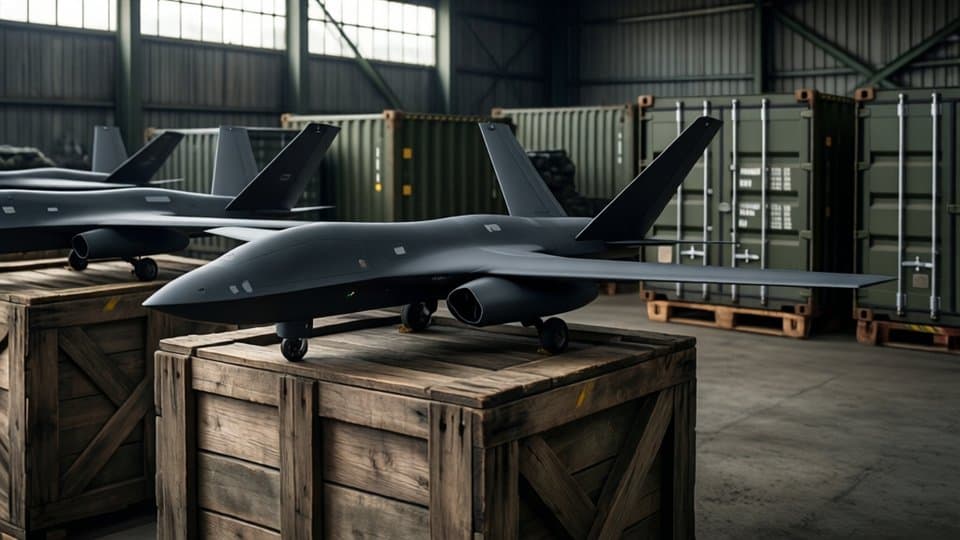
Ukrainian military units have started using the Pasika system to manage multiple drones at once, significantly increasing frontline logistics capacity. This technology allows a single operator to command a group of five drones, helping bypass enemy electronic interference and GPS jamming. The deployment marks a shift toward automated swarm coordination in active combat zones.
- The Pasika system allows one operator to manage five drones simultaneously, according to UATV.
- Cargo delivery volumes for the Da Vinci Wolves battalion doubled within one month of use, as reported by The Defender Media.
- Sine Engineering developed the technology to operate without GPS, according to dev.ua.
How does the Pasika system control multiple drones?
The system uses a single interface to manage a group of unmanned aerial vehicles (UAVs) at once. Instead of a pilot flying every single craft, the technology automates the most difficult parts of the flight. This allows one person to do the work previously required by several soldiers.
An operator begins a mission by selecting a specific area on a digital map. Once the target is set, the system takes over the heavy lifting. It automatically calculates the best flight paths for the entire group and ensures the drones do not hit each other while in the air. This automated routing is essential for maintaining a coordinated swarm.
The drones launch one after another in a sequence rather than all at once. While they fly, the operator monitors everything through one control screen. The pilot can switch between different drones with a single click. Manual control is generally only needed during the final minutes of a mission for tasks like landing or resetting the aircraft.
Can these drones fly without GPS?
Yes, the drones can navigate to their destinations without relying on satellite signals. This capability is vital because GPS signals are frequently blocked or spoofed by electronic warfare (EW) equipment on the battlefield. By removing the need for GPS, the drones remain functional in highly contested environments.
The drones maintain their orientation and stay on course through secure communication methods. Even when enemy electronic warfare is active, the aircraft can still follow their intended paths. This makes the Pasika system more resilient than traditional drones that depend on external navigation signals to find their way.
According to Pravda, the drones use autonomous navigation to reach designated locations. This autonomy ensures that the mission continues even when the electronic environment is heavily compromised by jamming devices. The system is designed specifically for these high-interference zones.
Who is currently using this technology?
Soldiers from the Da Vinci Wolves battalion are among the first to use the system regularly. This specific unit belongs to the 59th Separate Motorized Infantry Brigade. They have primarily used the drones for logistical tasks to move supplies to the front lines.
The results of this deployment have been immediate and measurable. The Defender Media reported that the unit managed to double its cargo delivery capacity in just one month. This efficiency gain shows how swarm technology can solve supply shortages in combat.
The Ministry of Defense of Ukraine and the Brave1 defense innovation cluster are overseeing the expansion of these tools. They are working to ensure that more units can access this type of group control technology. The goal is to move from experimental use to widespread military application.
Who developed the Pasika system?
The system was created by Sine Engineering, a deep-tech company with Ukrainian roots. This company is a member of the Brave1 cluster, which is a government-backed platform for defense innovation. Sine Engineering focuses on the technical aspects of drone autonomy and communication.
The company provides technical support to more than 200 different drone manufacturers within Ukraine. Their navigation and communication solutions are used in the majority of active interception operations currently happening. This makes them a central player in the country's drone industry.
Sine Engineering has also expanded its research and development footprint internationally. The Defender Media noted that the company recently launched an R&D center in Finland. They also maintain a partnership with a local firm called Insta to support their technological growth.
What is the impact on military logistics?
The primary impact is the ability to move more supplies with fewer people. Traditional drone logistics require one pilot per drone, which limits how much can be moved at once. With Pasika, one person handles five drones, effectively quintupling the potential output of a single operator.
"The experience of the Da Vinci Wolves battalion demonstrates the potential of drone swarm control to enhance the efficiency of military logistics. Instead of individual operators executing missions sequentially, a single service member can coordinate several UAVs, increasing the volume of cargo delivered,"said a statement from The Defender Media.
This shift allows frontline units to receive essential gear and ammunition more reliably. As the conflict continues, the ability to bypass electronic warfare makes these logistical "swarms" harder for an enemy to stop. The automation reduces the mental fatigue of pilots who no longer have to watch every single movement of every drone.
What happens next for this technology?
The Ministry of Defense of Ukraine and Brave1 are currently working to scale up the production and use of the Pasika system. They are coordinating with military units to move the technology from specialized battalions to broader use across the armed forces. This scaling process will involve more manufacturers within the Brave1 cluster.
Future developments will likely focus on increasing the number of drones a single person can manage. As Sine Engineering continues to refine its autonomous navigation, the system may become even more resistant to advanced jamming. The military will continue to monitor the performance of the Da Vinci Wolves to refine deployment tactics.
Frequently Asked Questions
How many drones can one person control with Pasika?
A single operator can manage a group of five drones at the same time using one interface.
Does the system work if GPS is jammed?
Yes, the system is designed to navigate autonomously without relying on GPS signals.
What is the main benefit of the Pasika system?
It allows for faster cargo deliveries and makes drone operations more efficient by using automation.
SEO Meta Description: Ukrainian forces are using the Pasika system by Sine Engineering to control drone swarms of five UAVs, doubling cargo deliveries for the Da Vinci Wolves.
URL Slug: ukraine-pasika-drone-swarm-logistics
Sources
- 1.uatv.uaUkrainian Forces Begin Using Pasika System to Control Swarms of Drones — Brave1
- 2.pravda.com.uaUkrainian multi-drone control system deployed on front line
- 3.dev.uaDa Vinci Wolves Doubled Cargo Delivery Thanks to Sine Engineering's Apiary Drone Swarm System
- 4.thedefender.mediaPasika drone control system doubles frontline cargo deliveries