US Navy installs hypersonic missile system on Zumwalt class destroyer
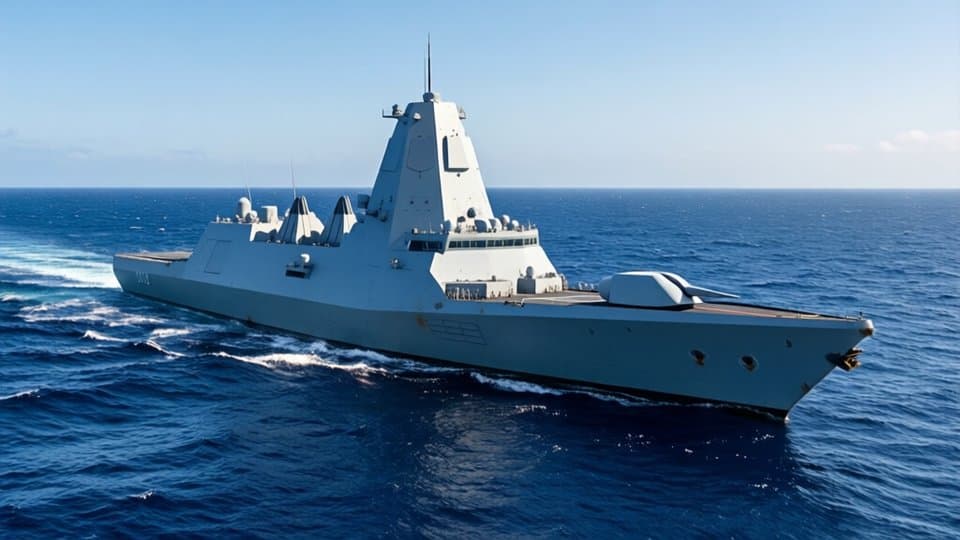
The U.S. Navy will install a 600-ton hypersonic missile module on the USS Michael Monsoor to transform its strike capabilities. This modernization involves replacing existing guns with the Conventional Prompt Strike weapon system to hit heavily defended targets. The change shifts the ship from a gun-based platform to a high-speed missile platform.
- The new Large Missile Vertical Launch System weighs approximately 610 metric tons, according to ulusavunma.com.
- The USS Michael Monsoor (DDG-1001) is the second of only three ships in the Zumwalt-class, as reported by Stripes.
- The upgrade will provide a total capacity of 12 missiles across four launch tubes, according to ulusavunma.com.
What is the new missile system?
The Conventional Prompt Strike, or CPS, is a weapon designed for long-range precision strikes. It uses a two-stage solid-fuel rocket booster combined with a Common Hypersonic Glide Body. This combination allows the missile to travel at speeds exceeding Mach 5. The system is built to target heavily defended locations with high accuracy.
The Navy is integrating this system through the Large Missile Vertical Launch System (LMVLS). This module weighs roughly 600 tons. Each of the four large-diameter vertical tubes in the launcher will hold three CPS missiles. This configuration ensures the ship can deliver a heavy payload of hypersonic weapons during combat operations.
How will the ship be modified?
Installing the new module requires removing the ship's current 155 mm Advanced Gun System. The Navy must also perform extensive work on the internal parts of the vessel. This includes changing the electrical infrastructure and the cooling systems. The combat systems will also undergo significant updates to handle the new weapons.
The Navy is also looking to improve the ship in other ways. According to a report from the Congressional Research Service cited by Stripes, the service wants to increase the range and fuel capacity of the ships. They also plan to replace some combat equipment to make it more interoperable with other Navy vessels.
Why did the ship's mission change?
The Zumwalt-class was originally intended to use the 155mm Advanced Gun System to support ground troops. These guns were meant to fire the Long-Range Land-Attack Projectile. However, the Navy stopped buying those projectiles in November 2016 because they were too expensive. This decision changed the future of the entire ship class.
Because the original gun-based mission became unviable, the Navy shifted focus in 2017. The ships are now being prepared for surface strike missions. This new role relies on the hypersonic capabilities provided by the CPS system. The stealth design of the ships makes them ideal for these offensive operations.
What makes the Zumwalt-class unique?
These destroyers are among the largest surface combatants in the U.S. Navy. They measure 185.9 metres in length and have a full-load displacement of about 15,995 tonnes. The ships use a tumblehome hull, where the sides slope inward above the waterline. This design helps reduce the radar signature of the vessel.
The ships use an integrated electric propulsion system to generate high levels of electrical power. They can carry various weapons, including Tomahawk cruise missiles and Standard Missiles. Their wider hull and shorter draft allow them to operate in coastal waters more effectively than some other large ships. They have nearly twice the displacement of the Arleigh Burke-class destroyers, according to Stripes.
How has the program evolved over time?
The Zumwalt program began in the 1990s as a possible successor to the Arleigh Burke-class. However, the program faced high costs and design problems. These issues led the Navy to reduce the planned order from 32 ships down to only three. This reduction significantly changed the scale of the project.
The first ship, USS Zumwalt (DDG-1000), had its keel laid in November 2011 and was commissioned in October 2016. The second ship, USS Michael Monsoor (DDG-1001), had its keel laid in May 2013 and was commissioned in January 2019. The final ship, USS Lyndon B. Johnson (DDG-1002), had its keel laid in January 2017.
What is the future of these destroyers?
The Navy intends to use these ships as its primary offensive tools. The integration of the CPS system is a central part of this plan. The goal is to create a highly capable strike platform that remains difficult for enemies to detect.
While the USS Michael Monsoor undergoes its upgrade, the third ship is also moving toward completion. On October 19, the Navy approved a $99 million contract with Ingalls Shipbuilding to finish the USS Lyndon B. Johnson. The shipyard aims to prepare that ship for handover to the Navy by next year. This will bring all three ships into the modern era of hypersonic warfare.
What happens next?
The Navy will continue the modernization of the USS Michael Monsoor. Meanwhile, Ingalls Shipbuilding will work on the sea trials for the USS Lyndon B. Johnson. The Navy expects the third ship to be ready for potential fleet operations by 2025 or 2026. The rollout of the CPS system across the class remains a priority for long-range strike capabilities.
Frequently Asked Questions
What is the purpose of the new 600-ton module?
It allows the Zumwalt-class destroyers to launch hypersonic missiles for long-range strikes against defended targets.Why were the original guns removed from the ships?
The Navy stopped procuring the necessary 155mm projectiles in 2016 due to high costs, leading to a shift in mission.How many Zumwalt-class destroyers will there be?
There are only three ships in the class, including the USS Zumwalt, USS Michael Monsoor, and USS Lyndon B. Johnson.SEO Meta Description: The U.S. Navy is upgrading the USS Michael Monsoor with a 600-ton hypersonic missile module to transform the Zumwalt-class destroyer into an offensive striker.
URL Slug: us-navy-zumwalt-destroyer-hypersonic-missile-upgrade