Kim Jong Un prioritizes domestic industry over US diplomacy
North Korean leader Kim Jong Un is prioritizing domestic industrial projects over diplomatic engagement with the United States, according to reports from SBS and Chosun Biz. Following a period of speculation regarding a potential summit with Donald Trump, Kim has instead focused on inspecting factory construction and agricultural sites. This shift suggests North Korea has no immediate intention of entering dialogue with the U.S. administration.
- Kim inspected two new factory sites in Pyongyang on November 20, as reported by KCNA.
- The leader visited fish farms and greenhouse farms in South Hamgyong Province between November 17 and November 18, according to Chosun Biz.
- The Korean Central News Agency stated that Kim praised soldier-builders for their work at a new teaching aids factory.
Why is Kim Jong Un ignoring offers for talks?
Kim appears to be signaling that North Korea will focus on internal economic and livelihood issues rather than responding to repeated dialogue overtures from Donald Trump. While the U.S. President expressed interest in meeting Kim around the Asia-Pacific Economic Cooperation (APEC) Summit in Shenzhen, China, the North Korean leader did not respond to these offers. Instead, he has maintained a strict itinerary of domestic inspections.
The pattern of these visits suggests a strategic choice. On November 15 and 16, Kim inspected tourist zones near the China border, which led some to speculate about a potential meeting with the U.S. However, SBS reports that his subsequent visits to agricultural sites and educational factories indicate a focus on internal development. This move is interpreted as an indirect signal that Pyongyang is not ready for immediate negotiations with Washington.
What new factories is the leader inspecting?
The inspections involve the construction of specialized facilities in the capital of Pyongyang. On November 20, Kim visited the sites of a teaching aids and furnishings factory and an educational equipment factory. While the official reports did not name the specific locations, visual evidence in photographs suggests these sites are located near the Ryugyong Hotel and the new town areas of Songsin and Songhwa.
Kim emphasized the importance of these projects for the country's future. He stated that the production of teaching aids represents a comprehensive investment in future generations. He also noted that building this infrastructure is a fundamental task for the nation's educational revolution. The leader urged officials to plan these developments with a long-term perspective to ensure a reliable educational foundation.
Kim Jong Un
How do the different sides view the current situation?
The gap between U.S. diplomatic efforts and North Korean domestic activity creates two different narratives of the current regional tension. The U.S. side, represented by the expressed interest of President Trump, has sought to re-engage in high-level diplomacy. This interest was notably visible during the APEC Summit period.
How each side tells it:
The United States, through President Trump, has repeatedly expressed a willingness to meet with Kim Jong Un to discuss regional security and denuclearization. This interest was communicated around the time of the summit in China.
North Korea, through the state media KCNA, demonstrates through its actions that the state is prioritizing the prosperity and development of the party and the state via domestic economic and educational improvements.
What are the internal economic struggles in North Korea?
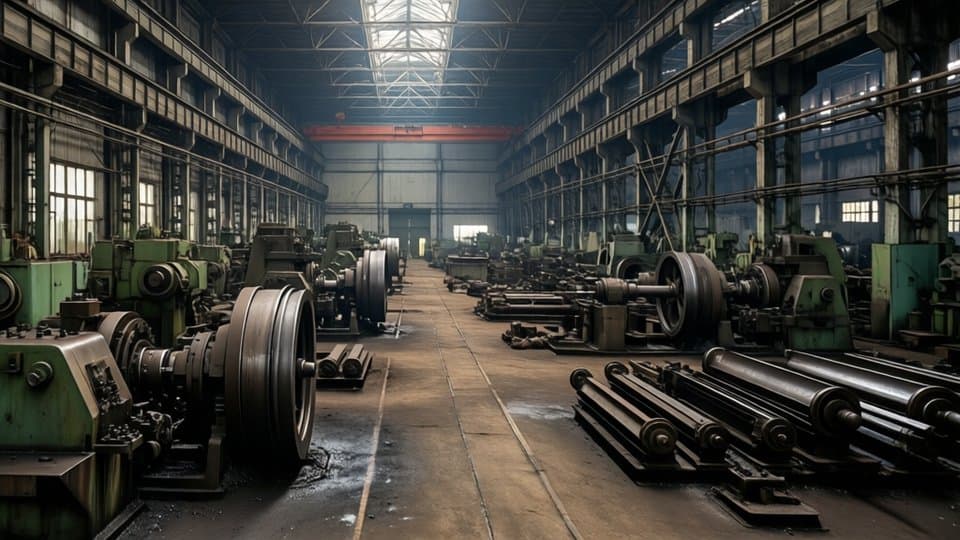
Despite the focus on new construction, North Korea faces significant internal management challenges. On January 21, 2026, Asahi Shimbun reported that Kim dismissed a vice premier, Yang Sung Ho, due to failures in a factory modernization project. Kim blamed Yang for causing man-made confusion during the renovation of the Ryongsong Machine Complex.
Kim used a blunt metaphor to justify the dismissal of the official in charge of the machine-building industry. He compared the official to a goat trying to pull an ox cart. This dismissal is seen by some as a way to tighten discipline among officials. However, other experts suggest that the failures may stem from structural issues rather than individual incompetence.
Kim Jong Un
Moon Seong Mook from the Korea Research Institute for National Strategy suggests that the economic losses in these projects are likely caused by the state's decision to dedicate scarce resources to weapons programs. This focus on nuclear and missile development may be the true cause of mismanagement in the civilian economy.
How does the economy affect the general population?
The North Korean economy has faced major setbacks since the COVID-19 pandemic. While the South Korean central bank reported that the North Korean economy grew by 3.7% in 2024, observers remain skeptical about long-term stability. The highly centralized nature of the economy and international sanctions continue to limit rapid growth.
There is also a growing gap in how economic benefits are distributed. Kwak Gil Sup from the One Korea Center noted that much of the growth seen in the country goes to the ruling elite and the weapons development sector. This distribution pattern means that the general public may not feel the benefits of economic activity, which can deepen existing inequalities within the country.
What happens next for North Korea and the U.S.?
The political landscape in North Korea is set to change with an upcoming party congress. This event is expected to take place in either late January or February. The congress will likely serve as a major platform for the ruling Workers' Party of Korea to review past projects and establish new economic priorities.
During this congress, Kim is expected to formalize policies regarding both nuclear and conventional weapons. He may also seek to strengthen economic cooperation with Russia and China. On the international stage, many are watching to see if Donald Trump's planned visit to Beijing in April might create a new opening for renewed talks between Washington and Pyongyang.
Frequently Asked Questions
Why is Kim Jong Un visiting factories instead of meeting Trump?
Kim is focusing on domestic economic and educational development to signal that North Korea is prioritizing internal stability over immediate diplomatic negotiations with the U.S.What is the significance of the upcoming Workers' Party congress?
The congress will allow Kim to reshuffle officials, set new economic priorities, and potentially formalize new military and nuclear weapons policies.Are North Korean factory projects successful?
While Kim has praised some construction, other projects like the Ryongsong Machine Complex have suffered economic losses and led to the dismissal of high-ranking officials.SEO Meta Description: North Korean leader Kim Jong Un prioritizes domestic factory inspections and education projects over diplomatic dialogue with U.S. President Donald Trump.
URL Slug: north-korea-kim-jong-un-factory-inspections-trump-dialogue
Sources
- 1.news.sbs.co.krKim Jong-un Shuns Trump's Dialogue Offer to Visit Educational Factories, Continuing Focus on Domestic Affairs
- 2.asahi.comNorth Korea’s Kim fires vice premier over factory failures ahead of major party congress
- 3.biz.chosun.comKim Jong-un focuses on domestic affairs as Trump seeks talks
- 4.ibtimes.co.ukKim Jong Un Tours Chinese Bus Factory, Climbs Aboard as UN Sanctions Bar Vehicle Supplies to North Korea