
Tesla Shifts Focus to Robotics as We Await the Tesla Optimus Release Date
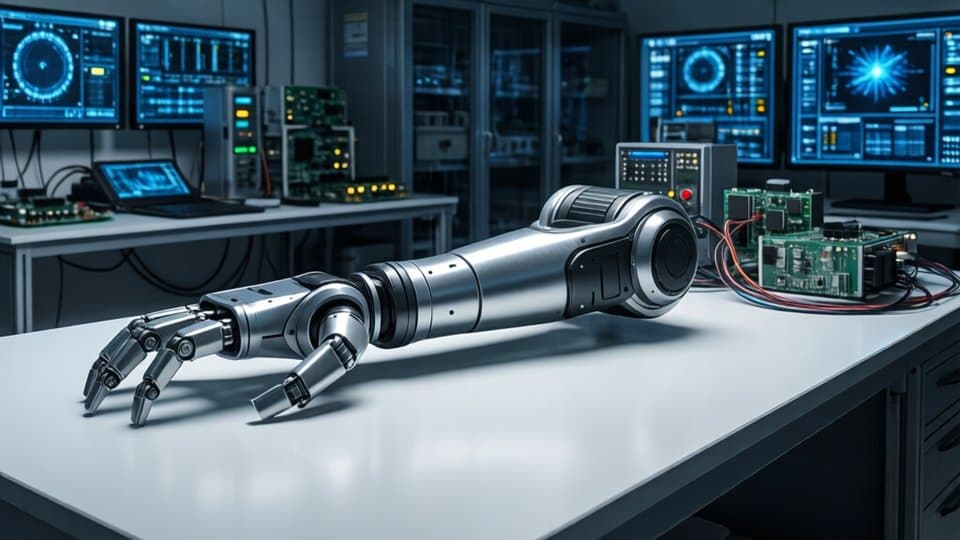
Tesla has officially transitioned its Fremont facility to support humanoid robotics, a move that follows the rapid dismantling of its luxury sedan and SUV assembly lines. This shift toward a new manufacturing focus is central to the company's strategy regarding the tesla optimus release date and its long-term transition from an automaker to an AI and robotics firm.
- Tesla completed the teardown of its Model S and Model X assembly lines in just 46 days this summer, according to Not a Tesla App.
- Elon Musk announced during a Q3 2026 earnings call that early production on a high-volume line has begun in Fremont, as reported by Not a Tesla App.
- The company aims for a future production capacity of 10 million units per year at Giga Texas, according to Not a Tesla App.
Why did Tesla stop making the Model S and Model X?
Tesla ended production for the Model S and Model X in April after Elon Musk decided to terminate both lines in January. This decision was made specifically to free up factory space and resources for the development and manufacturing of the Optimus humanoid robot.
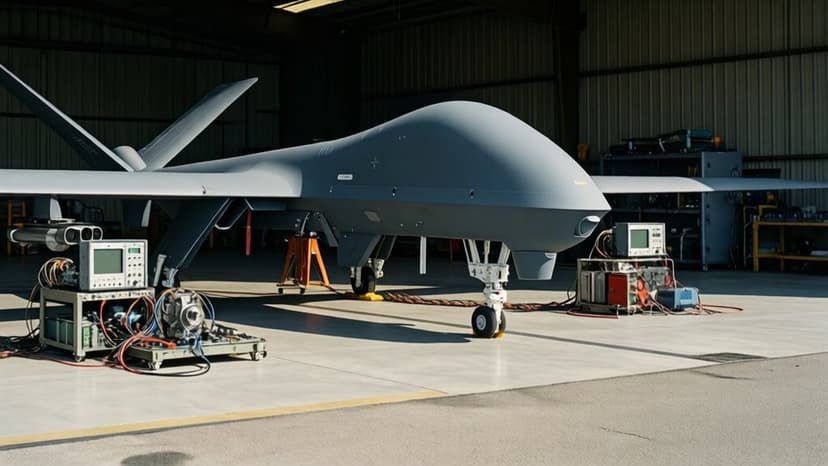
The reconfiguration of the Fremont plant was completed quickly. Not a Tesla App reported that the company spent only 46 days tearing down the existing luxury vehicle lines to make room for the new robotics assembly process.
While the space was cleared to accommodate the robot, some observers have questioned the necessity of the move. Electrek noted that critics find the idea of abandoning established car lines for a robot that is not yet ready for mass use to be unconvincing.
What is the current status of Optimus production?
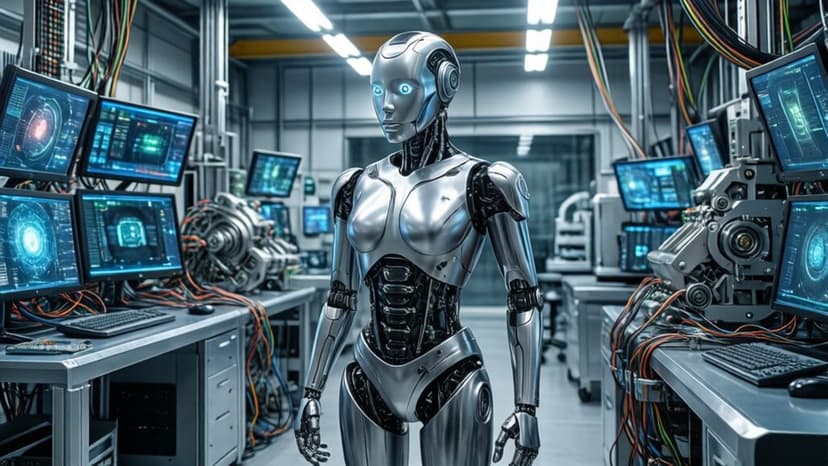
Tesla has moved into the early stages of manufacturing the Optimus Gen 3 design. The company is currently using the newly cleared space in Fremont to produce what it considers to be the first production-quality units of the humanoid robot.
The production ramp-up is expected to be gradual rather than immediate. Elon Musk described the output as an S-curve with a "shallow slope" that will be "somewhat bumpy" because the product is so radically new, according to Not a Tesla App.
Tesla expects it will take at least one year to reach a production rate of 20,000 units per week. This delay is largely due to ongoing changes in the electromechanical design and the need to improve the robot's overall reliability and durability.
How does Tesla plan to scale robot manufacturing?
The company is following a two-stage geographic expansion for its robotics division. The initial high-volume line is located in Fremont, but the long-term goal involves much larger facilities in Texas to meet massive global demand.
Tesla plans to build a massive production line at Giga Texas capable of producing 10 million units per year. Currently, the Fremont line is being set up to handle 1 million units per year, according to Not a Tesla App.
The hardware will also evolve during this scaling process. While the current focus is on Gen 3, Tesla intends to graduate to the Gen 4 design by the time the Giga Texas capacity becomes fully operational.
When will the robots be available to customers?
Industrial users will receive the robots before the general public. Tesla intends to deploy Optimus first in settings where it can perform dangerous or repetitive tasks that require continuous, around-the-clock operation.
The timeline for external delivery remains several years away. According to Not a Tesla App, the first external and industrial customers are not expected to receive robots until the end of 2027.
Musk believes the technology will reach a level of maturity suitable for home use later in the cycle. He stated his conviction regarding the product's potential during the earnings call.
"I remain convinced that Optimus will be the biggest product on Earth,"
Musk also suggested that a new video showcasing the robot performing non-programmed tasks could be released within a month or two to demonstrate its true capabilities.
How will the robot's intelligence be upgraded?
A major milestone for the Optimus platform involves the integration of the AI5 chip. This new hardware is designed to provide the massive computational power required to manage the complex movements of a humanoid body.
The AI5 chip is expected to deliver five times the compute power of a full two-chip AI4 computer. Musk noted that this level of processing is necessary because the robot must handle far more degrees of freedom than a standard vehicle, according to Not a Tesla App.
The development of this chip is also moving through the supply chain. The AI5 chip entered trial production at a Samsung facility in Texas last month, with mass production scheduled for next year, and integration into Optimus is expected around April 2027.
What happened to the Model S and X software?
As Tesla winds down the legacy of its luxury cars, Elon Musk has promised to "open source" the Model S and Model X. He is using the previous release of the original Roadster as a blueprint for this initiative.
However, there is significant disagreement regarding what "open source" actually means in this context. Electrek reports that Tesla's previous Roadster release lacked actual open-source licenses, providing only a liability disclaimer rather than the rights to copy or modify the work.
The Roadster release consisted of a few small files, including CAN database files and some diagnostic software. It did not include critical components like CAD files, mechanical drawings, or the firmware source code, according to Electrek.
If Tesla follows the same pattern for the Model S and X, the release may only include diagnostic tools and minor documentation rather than the core engineering files that would allow others to truly learn from the platform.
What happens next?
Several key milestones will determine the success of Tesla's robotics pivot over the coming months and years:
- A potential new demonstration video of Optimus performing non-pre-programmed tasks is expected within the next two months.
- Tesla aims to solve major AI and electromechanical reliability issues by the end of 2026.
- Mass production of the AI5 chip is slated for 2026 to support the 2027 robot integration.
- The first industrial deliveries of Optimus are scheduled for the end of 2027.
Frequently Asked Questions
When can I buy a Tesla Optimus robot?
Individual consumers should not expect to buy a robot for home use in the near future. Tesla is targeting industrial customers first, with deliveries expected to begin in late 2027.
Is Tesla actually open-sourcing the Model S and X?
While Elon Musk has promised to open-source these models, critics argue that Tesla's previous "open source" release of the Roadster lacked the necessary legal licenses and core engineering files to qualify.
Why did Tesla stop making the Model S?
Tesla ended production of the Model S and Model X in April to repurpose factory space. This space is being used to build the new high-volume Optimus robot assembly lines.
SEO Meta Description: Tesla has begun Optimus robot production in Fremont, replacing the Model S and X lines. Learn about the production timeline and the Tesla Optimus release date.
URL Slug: tesla-optimus-production-fremont-model-s-x-discontinued