Tesla Prepares New Humanoid Robot for 2027 Release
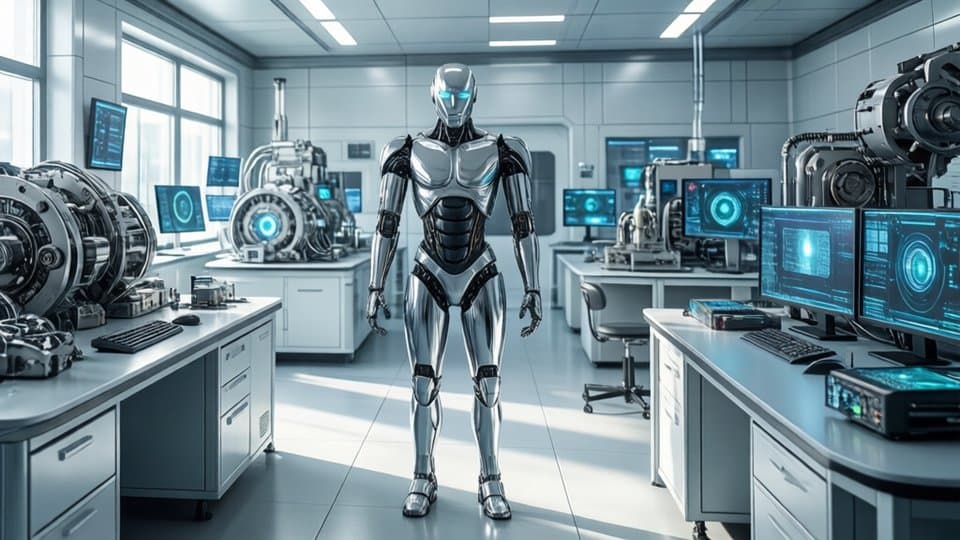
Tesla CEO Elon Musk announced on October 21, 2026, that the company will release a new video of its humanoid robot within one or two months to demonstrate unscripted, AI-driven tasks. This update comes as Tesla begins producing "production-quality" units at its Fremont, California, factory to prepare for a potential sales launch to the public by late 2027.
- Tesla aims to deliver Optimus to external customers by the end of 2027, according to Electrek.
- The company plans to integrate the AI5 chip into the robots around April 2027, as reported by CryptoBriefing.
- Tesla intends to build a training fleet of 10,000 to 20,000 units for its new "Optimus Academy," according to CryptoBriefing.
What is the current production status of Optimus?
Tesla has moved from small-scale testing to manufacturing what it calls its first production-quality robots. These machines are being built on a dedicated line at the Fremont facility that previously produced Model S and Model X vehicles. According to a Tesla quarterly earnings report cited by Business Insider, the current manufacturing process is now suitable for a commercial product.
While the Fremont line is operational, scaling up remains a massive hurdle. Tesla managers are reportedly targeting an automated line capable of producing over 1,000 robots per week by the end of 2026, according to TechRepublic. A longer-term goal involves reaching a weekly output of 20,000 units, though Musk noted this will take at least a year to achieve because the product is so radically new.
The company is also expanding its footprint. A second production line is currently under construction in Austin, Texas, which is designed to eventually reach an annual capacity of 10 million robots, according to Business Insider. This follows an earlier January 2026 goal where Tesla outlined plans for an annual capacity of one million units.
Why is Tesla building an "Optimus Academy"?
Tesla is creating a specialized training program called Optimus Academy to solve the problem of how these machines learn. Unlike Tesla's cars, which collect data from millions of drivers on the road, the company lacks a massive existing fleet of robots to teach its AI through real-world experience. The Academy will use a fleet of 10,000 to 20,000 robots to practice tasks and generate the data needed to refine AI models, according to CryptoBriefing.
This method is similar to "self-play" in AI research, where robots attempt tasks, log the results, and improve their behavior based on those outcomes. Musk compared this learning process to how a toddler learns. By having robots perform real-world tasks in a controlled environment, Tesla hopes to move away from the scripted demonstrations that often characterize the robotics industry.
The upcoming video promised by Musk is intended to prove this approach works. The company wants to show that the machines can perform AI-driven tasks that are not pre-programmed, rather than just following a set routine. This distinction is vital for proving the robots can handle the unpredictability of actual human environments.
What technical challenges are delaying the rollout?
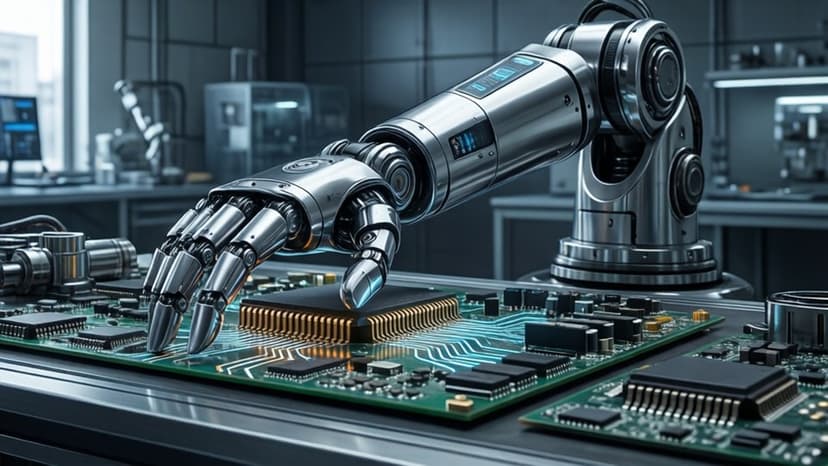
Despite the progress, several engineering bottlenecks remain. The most significant difficulty involves the robot's hands. An Optimus engineer noted that the hands are one of the hardest hardware areas to master, according to Electrek. Musk added that fingers must be soft enough for delicate objects but durable enough to survive constant use without "wearing out after a month."
Manufacturing complexity also slows down production. TechRepublic reported that the Optimus V3 design includes more than 100 small components in the hands and forearms that required manual assembly as recently as September. This manual requirement conflicts with the goal of high-speed, automated mass production.
Other issues include:
- Reliability of touch sensors.
- Alignment of precision components during automated manufacturing.
- The ability of the AI to generalize to unfamiliar tasks without extensive training.
How do Tesla's claims compare to its competitors?
Elon Musk stated during the Q3 earnings call that, to his knowledge, "there is no one that is even close to Tesla" regarding general-purpose humanoid robots, according to Business Insider. However, other companies have already reached significant milestones in the sector.
XPeng has already turned on an automated production line for its IRON robot in Guangzhou. According to Electrek, XPeng plans mass production by the end of 2026 and expects to begin deliveries in the first half of 2027. This timeline sits slightly ahead of Tesla's late 2027 target.
Boston Dynamics is also making strides. The company began producing its electric Atlas robot in January and has already committed its 2026 deployments to customers like Google DeepMind. While Tesla focuses on human-like dexterity, Boston Dynamics has taken a more pragmatic approach by using sturdy grippers designed for industrial tasks, as reported by Electrek.
How each side tells it
The tension between Tesla's optimistic vision and the practical reality of robotics is evident in how the company and industry observers describe the project.
"There's still some things we need to tweak about the design, because you need to deliver a robot that is safe and reliable and has long duration,"
— Elon Musk, CEO of Tesla, during the Q3 earnings call.
Conversely, industry skepticism focuses on the history of missed deadlines. According to Electrek, Musk previously predicted Optimus would be used internally by 2025 and sold to other companies by 2026. Those dates have since shifted, with the current target for external deliveries now set for late 2027.
What happens next?
The following milestones will determine if Tesla can meet its ambitious schedule:
- Within 1-2 months: Tesla is expected to release a video showing the robot performing unscripted, AI-driven tasks.
- April 2027: The planned integration of the next-generation AI5 chip into the Optimus hardware.
- Late 2027: The target date for the first external deliveries to commercial customers.
FAQ
When will Tesla start selling the Optimus robot?
Tesla is targeting late 2027 for sales to the general public, provided the robots meet specific reliability and safety standards.
What is the Optimus Academy?
It is a Tesla initiative where a fleet of 10,000 to 20,000 robots will practice real-world tasks to generate data for training their AI models.
Can the Optimus robot work in factories?
Tesla plans to initially deliver robots to commercial customers for industrial jobs that are dangerous, repetitive, or require 24/7 operation.
Sources
- 1.techrepublic.comElon Musk’s Tesla Optimus Timeline: Robots Targeted for 2027 Launch
- 2.businessinsider.comTesla targets shipping Optimus to customers by the end of 2027
- 3.cryptobriefing.comTesla unveils Optimus Academy to let humanoid robots teach themselves
- 4.electrek.coTesla pushes Optimus deliveries to late 2027, says hands still a problem