Bangladesh Garment Strikes Disrupt 529 Factories Over Wage Demands
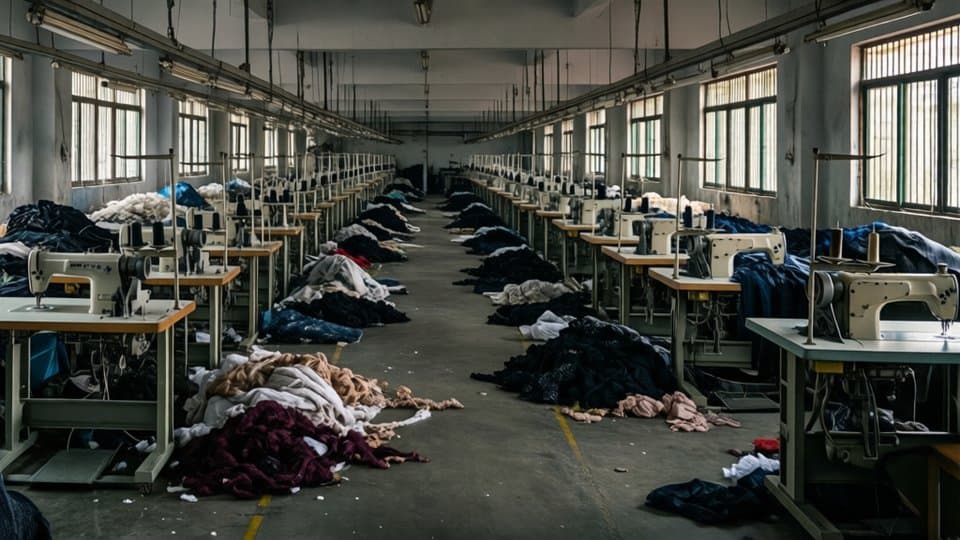
Garment workers across Bangladesh launched widespread strikes during the first week of November to demand a higher minimum wage, forcing the closure of hundreds of factories. The unrest, centered in industrial hubs like Gazipur and Savar, threatens the stability of an industry that generates nearly $40bn in annual exports and contributes 10% to the national GDP, according to BBC.
- The Socialist Worker reported that 529 factories were disrupted by the strikes.
- Nearly 987,200 workers participated in the industrial action, according to Business Standard.
- Workers are demanding a monthly minimum wage of 30,000 taka, according to BBC.
Why are garment workers striking?
Workers are protesting against a cost-of-living crisis that has made their current pay insufficient for survival. They are demanding that the minimum monthly wage be increased from the current 12,500 taka to 30,000 taka. This represents more than a doubling of their current earnings.
The disparity between wages and living costs is a central driver of the unrest. Socialist Worker notes that the Garment Workers’ Trade Union Centre estimated that goods costing 8,000 taka in 2018 would now cost approximately 14,500 taka.
Beyond the base salary, laborers are fighting for broader workplace rights. According to Socialist Worker, workers want all outstanding wages paid immediately, an end to arbitrary sackings, and the removal of an employer-run blacklist that prevents union members from finding new jobs.
How much impact has the unrest had on production?
The strikes have caused massive disruptions across the country's primary textile manufacturing belts. Business Standard reported that 529 factories had to suspend operations due to the protests.
The geographical spread of the closures is significant:
- Gazipur and Mymensingh: 276 factories and 645,360 workers affected, per Business Standard.
- Savar, Ashulia, and Jirani: 185 factories and 290,205 workers affected, per Business Standard.
- Mirpur: 68 factories and 51,625 workers affected, per Business Standard.
This disruption occurs during the peak order-placement season between November and February. Industry leaders worry that if production remains stalled, international brands might move their orders to other countries. This could harm an industry that employs roughly four million people.
How does each side describe the situation?
Factory owners and labor unions hold fundamentally different views on the necessity of the wage hike and the legality of the factory closures.
The Factory Owners' Position: Employers argue that they must protect their businesses from the financial impact of disruptions. The Bangladesh Garment Manufacturers and Exporters Association (BGMEA) has questioned the ability to negotiate wages without guarantees that factories will remain protected from unrest.
"Garment factories that have been unable to continue production due to the ongoing unrest will remain indefinitely closed from tomorrow under... Bangladesh's labour law."
BGMEA President Mahmud Hasan Khan stated this to the BBC. Owners are also invoking "No Work No Pay" provisions to withhold wages during production stoppages.
The Workers' Position: Labor advocates argue that the current wage structure is exploitative. They claim that while global retailers and factory owners profit, the workers bear the burden of inflation.
"They are asking for a wage they can survive on. How can any person of conscience stand against such a basic human demand?"
Joly Talukder, vice president of the Garment Workers Trade Union Centre, told the BBC that workers have "carried the costs for years."
What is the government doing to resolve the crisis?
The Bangladeshi government has taken steps to mediate the conflict by establishing a formal body to review pay. On November 1, the government formed a six-member minimum wage board to recommend a new pay structure.
The board is led by Senior District and Sessions Judge Sheikh Ashfaqur Rahman. It includes representatives from both employers and workers, alongside an independent member from Dhaka University. Labour and Employment Minister Ariful Haque Choudhury has urged workers to return to their posts, noting that their request for a wage board has been granted.
Security forces have also been deployed to manage the unrest. Prime Minister Tarique Rahman held an emergency meeting to direct authorities to protect workers and property while ensuring production continues. According to Business Standard, paramilitary Border Guard Bangladesh personnel were deployed to affected areas as clashes occurred.
Who is affected by these factory closures?
The impact of the strikes reaches from local laborers to global fashion giants. Most of the workers in the affected factories are women. The industry supplies major international brands, including H&M, Zara, Primark, and Uniqlo.
For the workers, the struggle is about basic survival. Mohammad Helal, a worker in Ashulia, explained to Socialist Worker that his current pay cannot cover his monthly living costs. He noted that even with a higher salary of 18,000 taka, rent alone could consume 8,000 taka.
The instability also threatens the national economy. Because the garment sector accounts for 80 percent of the country's total export earnings, prolonged shutdowns could lead to a loss of international market share. This would impact the millions of families who rely on the industry's stability for their livelihoods.
What happens next?
The immediate focus is on the recommendations of the newly formed minimum wage board. The board held its first meeting recently and has stated its intention to finalize recommendations by the end of November.
If the board's recommendations are accepted, a revised pay structure is expected to take effect on December 1. According to Socialist Worker, the first payments under any new structure would likely arrive in January. However, since the board has not yet announced a specific minimum wage figure, further industrial action remains a possibility if the proposed amount does not meet worker demands.
Frequently Asked Questions
What is the main demand of the Bangladeshi garment workers?
Workers are demanding that the monthly minimum wage be raised from 12,500 taka to 30,000 taka to keep up with the rising cost of living.
Which international brands are impacted by the strikes?
Major global retailers including H&M, Zara, Uniqlo, and Primark are among the brands that source clothing from the affected factories.
When will the new wages be implemented?
The government's wage board aims to finalize recommendations by late November, with a target implementation date of December 1.
SEO Meta Description: Garment workers in Bangladesh are striking for a 30,000 taka minimum wage, forcing hundreds of factories to close and threatening global export orders.
URL Slug: bangladesh-garment-workers-strike-minimum-wage-factory-closures
Sources
- 1.bbc.co.ukClothing factories shut in Bangladesh as workers strike over pay
- 2.socialistworker.co.ukGarment workers in Bangladesh force concession after mass strikes
- 3.pbs.orgBangladesh Garment Workers Walk Out on Poor Factory Conditions
- 4.business-standard.comBangladesh garment unrest shuts 529 factories, puts export orders at risk