International Court of Justice finds Myanmar committed genocide against Rohingya
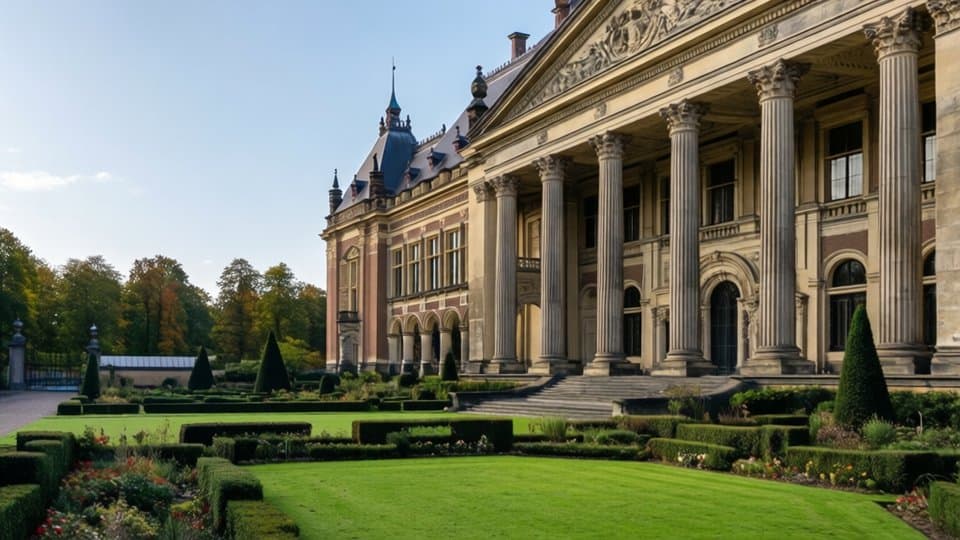
The International Court of Justice ruled on 19 November 2026 that Myanmar authorities committed genocide against the Rohingya people during military operations in 2017. This legal finding in The Hague confirms that the Myanmar military attempted to destroy the group as a people through organized mass killings and sexual violence. The ruling follows years of denial from the Myanmar government regarding the atrocities committed in Rakhine State.
- The Guardian reported on 21 November that the ruling follows a 2017 campaign where more than 700,000 Rohingya fled to Bangladesh.
- According to NPR, the 2017 military crackdown killed at least 6,700 people in a single month.
- The Al Jazeera report states that about 1.2 million Rohingya currently remain trapped in camps in Bangladesh.
What did the International Court of Justice decide?
The International Court of Justice (ICJ) determined that Myanmar's military operations constituted genocide rather than just ethnic cleansing. The court found that soldiers killed people specifically while they were attempting to escape. This distinction matters because it proves the military intended to destroy the Rohingya as an ethnic group. This is the first time the ICJ has found a state directly responsible for committing genocide under the Genocide Convention.
The ruling stems from a case brought by The Gambia in 2019. The proceedings accused Myanmar of breaching its obligations under the 1948 Genocide Convention. While the court previously established it had jurisdiction in 2022, this final judgment provides a formal legal recognition of the 2017 atrocities. It addresses the widespread unlawful killings, torture, and sexual violence used against the Rohingya population.
How do the different groups describe the situation in Rakhine?
The groups currently controlling territory in Rakhine State are accused of continuing the patterns of violence established by the Myanmar military. The Arakan Army (AA), an ethnic Rakhine armed group, now controls most of the state including northern Rohingya areas. Despite this change in leadership, Rohingya communities report that the persecution has not ended.
The Rohingya describe the violence from the Arakan Army as being just as brutal as the 2017 military campaign. They report facing forced recruitment, forced labour, detention, and severe restrictions on movement. The Arakan Army is also accused of using sexual violence and confiscating Rohingya land to build new Rakhine settlements. This process is viewed by survivors as a continuation of the attempt to erase them from Myanmar.
How each side tells it
The Myanmar military and its current leadership have historically denied these allegations of genocide. The Common Dreams report notes that for decades, authorities have denied Rohingya citizenship and characterized the operations as clearance missions. The current president, Senior General Min Aung Hlaing, led the armed forces during the 2017 period.
Rohingya survivors and human rights organizations describe the events as a deliberate campaign of extermination. Amnesty International describes the military's actions as an institutionalized system of segregation and apartheid. Survivors tell stories of seeing rivers filled with bodies and watching villages burn to the ground.
Why are refugees still arriving in Bangladesh?
New waves of Rohingya are still fleeing to Bangladesh because the violence in Rakhine State remains extremely unstable. Since late 2023, more than 150,000 Rohingya have arrived in Bangladesh. This influx is driven by both the ongoing civil war in Myanmar and the control of territory by the Arakan Army.
The situation is worsened by a junta blockade that has halted food and medicine from reaching Rakhine. This has led to widespread hunger. Many refugees are forced to take dangerous journeys by boat to reach places like Malaysia. In July, two boats carrying over 500 people sank during such a journey. The instability makes the prospect of returning home seem impossible for those currently in the camps.
What is the current status of the refugee camps?
The refugee camps in Bangladesh, specifically near Cox's Bazar, have become the world's largest settlement. Approximately 1 million people live in these camps, and more than half of them are children. These refugees live in fragile shelters made of bamboo and tarpaulin sheets. They are denied the right to work, seek education, or leave the camps.
Conditions are deteriorating as international humanitarian funding is reduced. NPR reported that food rations for some people were slashed to as little as $7 per month in 2024. This funding shortage occurs even as 40 percent of children under five face chronic malnutrition. The lack of resources is pushing refugees toward illicit economies and human trafficking.
What happens next for the Rohingya?
The legal battle for accountability continues in multiple international venues. While the ICJ has issued its ruling, a judgment is also expected in the coming months regarding the genocide case brought by The Gambia. Additionally, the Burmese Rohingya Organisation UK (BROUK) has pursued a case in Argentina. That case has already resulted in international arrest warrants for 22 Myanmar military officials and three civilians, including Senior General Min Aung Hlaing.
Human rights advocates are now calling for specific political actions. They are urging the UN Security Council to impose a global arms embargo on Myanmar. There is also a demand for the international community to provide reparations to survivors. The goal is to move beyond legal findings toward actual accountability and the restoration of Rohingya rights, including citizenship and the right to return to their land.
Frequently Asked Questions
What did the ICJ rule about Myanmar?
The court ruled that Myanmar committed genocide against the Rohingya during the 2017 military operations. It found the state responsible for attempting to destroy the ethnic group.
Where are the Rohingya refugees living now?
Most Rohingya live in large refugee camps in Bangladesh, such as Kutupalong near Cox's Bazar. About 1.2 million people are currently in these camps or elsewhere in the country.
Can the Rohingya return to Myanmar?
Return is currently difficult because of ongoing fighting between the Myanmar military and the Arakan Army. Survivors say they cannot return without security guarantees and the restoration of their citizenship rights.
Sources
- 1.theguardian.comRohingya who escaped Myanmar’s genocide tell their stories
- 2.aljazeera.comWhat would justice look like if there were no Rohingya left in Myanmar?
- 3.npr.org'Forget about going back': 9 years on, Rohingya crisis enters dangerous phase
- 4.commondreams.orgHistoric UN ruling that Myanmar committed genocide against Rohingya is rare victory for survivors