International Court of Justice finds Myanmar responsible for Rohingya genocide
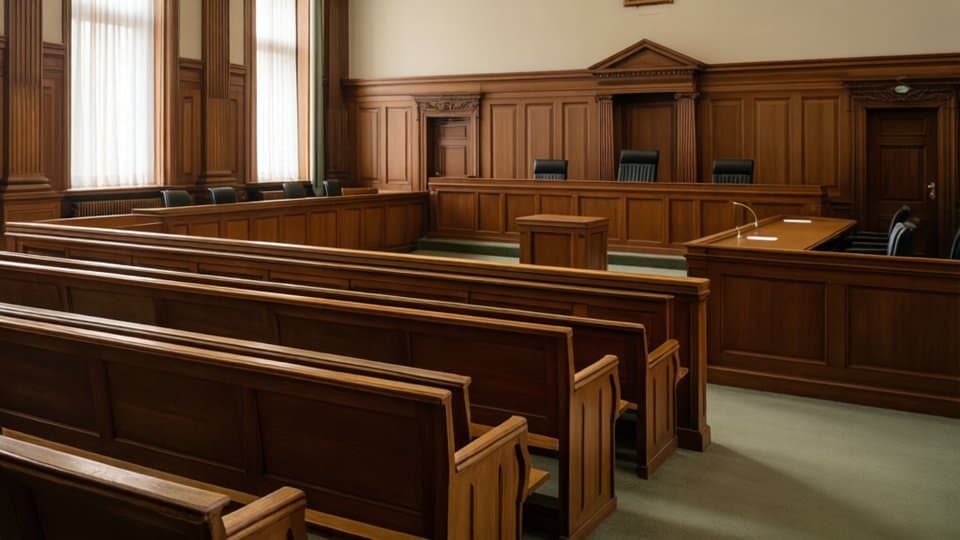
On 19 November 2026, the International Court of Justice (ICJ) ruled that Myanmar is responsible for committing genocide against the Rohingya, a Muslim minority in Rakhine State. This landmark verdict marks the first time in the 80-year history of the court that a state has been found responsible for the crime. The ruling follows a legal challenge submitted by The Gambia seven years ago.
- The ICJ majority ruling consisted of nine judges voting in favor and six against, according to blogs.law.ox.ac.uk.
- The court estimated that approximately 10,000 Rohingya were killed during the 2017 military operations, as reported by NPR.
- More than 1.2 million Rohingya refugees currently live in settlements in Bangladesh, according to Al Jazeera.
What did the court find Myanmar did to the Rohingya?
The ICJ determined that Myanmar security forces carried out a genocidal campaign during their 2016 and 2017 clearance operations. The court found that the military killed at least 10,000 civilians and used widespread sexual violence as a deliberate strategy. This violence included the systematic burning of 392 villages to destroy the community.
The judges confirmed three specific acts of genocide. These included killing members of the group, causing serious bodily or mental harm, and imposing measures to prevent births. According to CFR, the court concluded that the only reasonable inference for these actions was an intent to destroy the Rohingya population in northern Rakhine State.
The court rejected the argument that these were merely counterinsurgency operations. Judge Yuji Iwasawa, the president of the ICJ, stated that the scale of the violence was inconsistent with fighting an armed group. He noted that the targeting of children, the methodical burning of villages, and attacks on fleeing civilians proved a different intent.
How does each side describe the violence?
The Myanmar military government has rejected the findings of the court. A spokeswoman for President Min Aung Hlaing, Khine Khine Soe, told NPR that the ruling was unfair. The government stated it would provide its official position after a full review of the decision.
Myanmar previously argued its actions were necessary to combat the Arakan Rohingya Salvation Army. However, the court found the military failed to distinguish between insurgents and civilians. The court noted that the military used the violence to replace Rohingya land with permanent structures for non-Rohingya groups, according to CFR.
While the military regime is the primary defendant, the Rohingya face new threats from the Arakan Army. This ethnic Rakhine armed group now controls much of the state. Reports from Al Jazeera indicate that the Arakan Army is also engaging in mass killings, forced recruitment, and sexual violence against the Rohingya.
What are the legal requirements for Myanmar?
The ICJ has ordered Myanmar to take specific steps to prevent future genocide. The state must investigate and punish those responsible for the 2016 and 2017 operations. Myanmar is also required to produce a report within two years explaining the measures it has taken for restitution.
Restitution must include facilitating the safe, voluntary, and dignified return of displaced Rohingya to their homes. The court also ordered Myanmar to replace lost property and provide physical and psychological rehabilitation for survivors. If full restitution is impossible, the state must identify how it will provide financial compensation, according to CFR.
The judgment does not force Myanmar to grant citizenship to the Rohingya. The court noted that citizenship status fell outside the specific scope of the measures being considered to prevent further atrocities. This leaves a major political hurdle for the group, as they remain stateless in their own land.
Why is enforcing the ruling difficult?
The ICJ cannot personally enforce its own decisions. Enforcement falls to the UN Security Council, where Myanmar has powerful allies. Both China and Russia hold veto power, which could block any attempt to impose sanctions or other penalties on the Myanmar regime, according to blogs.law.ox.ac.uk.
While the ICJ prosecutes states, the International Criminal Court (ICC) targets individuals. In November 2024, the ICC prosecutor applied for an arrest warrant against Min Aung Hlaing. Although he has held office since April 2026, his actual arrest remains uncertain due to the political reality on the ground.
The United States has also shown a complex reaction. While the State Department supported the refugees, it expressed doubts about the ICJ. In a statement to NPR, the State Department said it was studying the decision to assess its implications. This follows comments from Mike Waltz, the U.S. Ambassador to the UN, who warned against lowering the legal threshold for proving genocide.
How does this affect the refugees in Bangladesh?
For the 1.2 million Rohingya in Bangladesh, the ruling brings emotional relief but little physical change. Ma Roga Bibi, an 18-year-old refugee, told NPR that while the day was historic, she still needs accountability and the chance to return home.
Bangladesh has welcomed the ruling and is pushing for immediate repatriation. Shama Obaed Islam, the Bangladeshi minister for foreign affairs, has called on the international community to pressure both the Myanmar government and the Arakan Army to allow people to return. However, the land the Rohingya would return to is often now controlled by the Arakan Army.
Many Rohingya are still choosing dangerous sea crossings instead of staying in camps. In 2025, the UNHCR recorded nearly 900 Rohingya dead or missing at sea. In the first three and a half months of 2026, more than 2,800 Rohingya attempted the journey, mostly toward Malaysia and Indonesia, according to blogs.law.ox.ac.uk.
What happens next for the Rohingya?
The next major legal milestone is the two-year deadline for Myanmar to submit its report on restitution. This report must detail how the state is protecting the Rohingya and compensating for lost property. The international community will be watching to see if Myanmar complies with these binding orders.
In the meantime, the humanitarian situation in Bangladesh remains critical. International funding for refugees is being cut, and learning centers in Cox's Bazar have closed. This leaves a new generation of Rohingya growing up without education or legal status, even as the court provides a formal recognition of their suffering.
The ruling will also influence other active cases at the ICJ. Legal experts suggest the Myanmar decision will be closely studied in the case brought by South Africa against Israel, and Nicaragua's case against Germany. These cases will rely on the precedent set regarding genocidal intent and state responsibility.
Frequently Asked Questions
Is the ICJ ruling legally binding?
Yes, the judgment is binding on Myanmar and all states that have signed the Genocide Convention. However, the court lacks its own police force to enforce these rules.
Why can't the Rohingya just go home?
Much of the land in Rakhine State is now controlled by the Arakan Army rather than the central government. Additionally, many refugees fear further persecution and lack guaranteed citizenship.
Will any leaders go to jail?
The ICJ deals with states, not individuals. While the ICC has applied for an arrest warrant for Min Aung Hlaing, his actual prosecution depends on his being taken into custody.
Sources
- 1.blogs.law.ox.ac.ukMyanmar’s genocide confirmed by ICJ: but it’s a long road to justice for the Rohingya
- 2.npr.orgThe U.N.'s top court rules Myanmar committed genocide against the Rohingya
- 3.aljazeera.comWhat would justice look like if there were no Rohingya left in Myanmar?
- 4.cfr.orgWith Genocide Ruling, Justice Finally Descends Upon Myanmar and the Rohingya